
What Are Drawing Activities for Kids?
A drawing activity is a short, planned task where drawing is the main thing a child does. Some are guided, such as copying a picture step by step, and others are open-ended, such as drawing what a song feels like. The National Art Education Association (NAEA) says young children learn best through experiences that balance instruction with emergent exploration.
This page covers 9 kinds: directed drawing, drawing games, symmetry drawing, drawing to music, draw-and-write, drawing-based projects, nature journaling, sidewalk chalk, and party or rainy-day sets that chain several together.
The National Association for the Education of Young Children (NAEYC) separates process art, where a child explores materials, from product-focused art, where a child follows directions to a set result. NAEYC says the two support development in different ways. For open-ended starters, see our drawing prompts for kids.
Which Drawing Activity Fits Your Child’s Age, Time and Setting?
The right drawing activity depends on age, the minutes you have, and where you are. A 4-year-old at home can try a 15-minute crayon resist, while a class of 9-year-olds can run a 30-minute nature journal outside. The ages and minutes in this table are our suggestions, not research findings.
| Activity | Suggested ages | Suggested minutes | Supplies | Best setting | Group size |
|---|---|---|---|---|---|
| Directed drawing | 3 to 10 | 15 to 25 | Pencil, eraser, black marker, crayons | Home, classroom | 1 child to a whole class |
| Symmetry fold-and-trace | 5 to 10 | 10 to 15 | Paper, pencil, crayons, scissors (optional) | Home, classroom | 1+ |
| Partner mirror round | 6 to 10 | 10 (2 to 3 rounds) | Paper, pencils, a timer | Classroom, party | Pairs |
| Drawing to music | 3 to 10 | 10 (3 songs) | Large paper, crayons or markers, music | Home, classroom, party | 1 to a whole class |
| Draw-and-write | 4 to 10 | 15 to 20 | Paper with a drawing box and lines, pencil, crayons | Home, classroom | 1+ |
| Crayon resist | 4 to 10 | 15 to 20 | Thick paper, white and colored crayons, watercolor paint, brush | Home, classroom | 1 to 6 per table |
| Collage drawing | 4 to 10 | 25 to 30 | Tissue or scrap paper, glue stick, scissors, black marker | Home, classroom | 1 to 6 per table |
| Bookmark drawing | 5 to 10 | 15 | Cardstock strip, markers, hole punch, yarn | Home, party | 1+ |
| Nature journal | 5 to 10 | 15 to 30 | Notebook or clipboard, pencil, colored pencils | Yard, park, schoolyard | 1 to a whole class |
| Sidewalk chalk | 3 to 10 | 20 to 40 | Sidewalk chalk, a paved area | Driveway, playground | 1 to a whole class |
According to the CDC milestones for 5-year-olds, most children pay attention for 5 to 10 minutes during activities such as arts and crafts. CDC milestones are things 75% or more of children do by that age, so read every age here as a typical range. By 5 years, most children also follow rules or take turns in games with other children.
How Do You Run a Directed Drawing Activity?
To run a directed drawing activity, show one step, wait while children copy it, then show the next step. Each tutorial on our site breaks a picture into 4, 6 or 8 numbered steps. A “Show steps on the board” mode puts each step on a classroom screen, and the “You need” list names the supplies.
The step-by-step house drawing has 6 steps, starting with a big square for the walls. Our directed drawing guide covers the full lesson routine, and free printable step sheets let each child keep the steps on the desk.
-
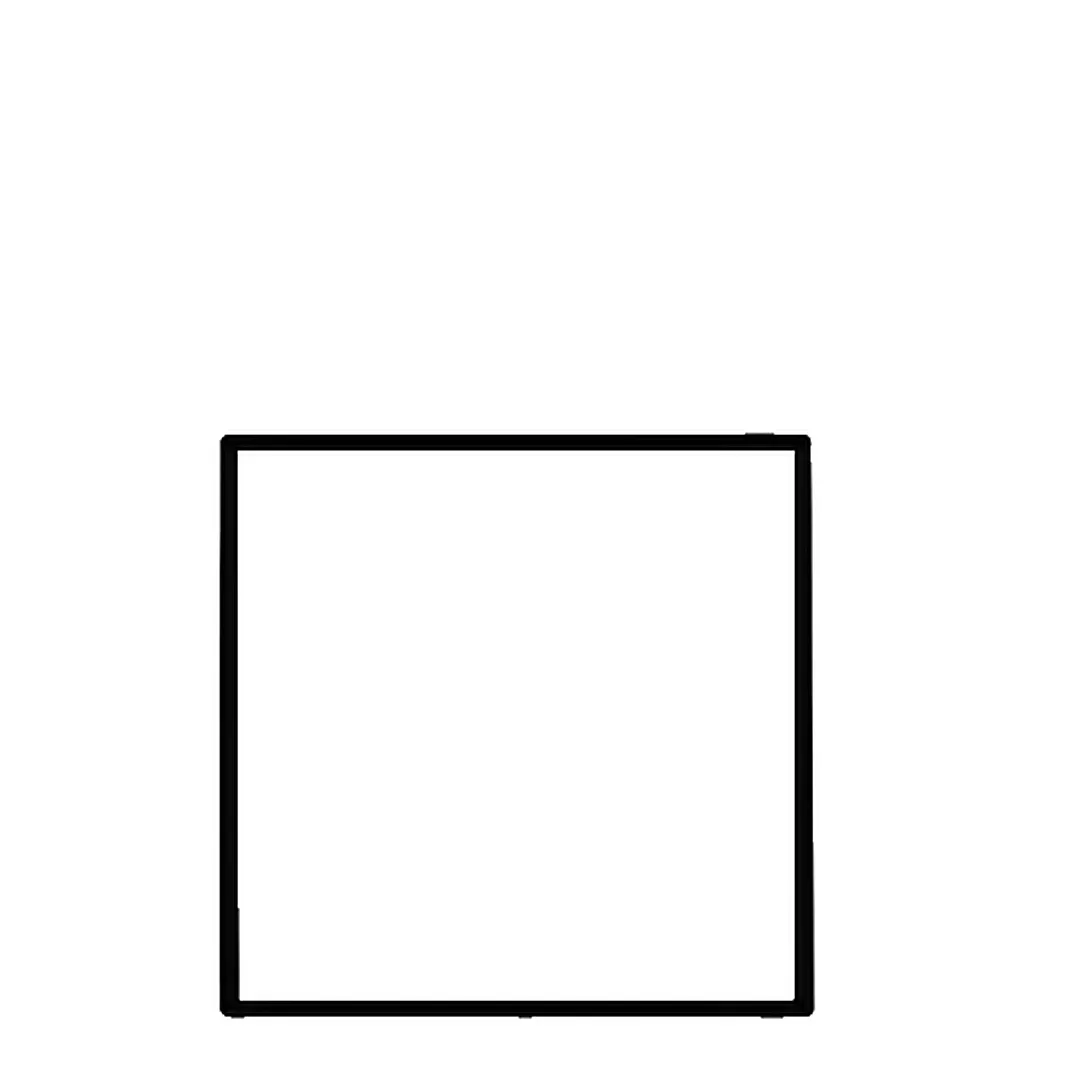
Step 1: Draw a big square for the walls.
-
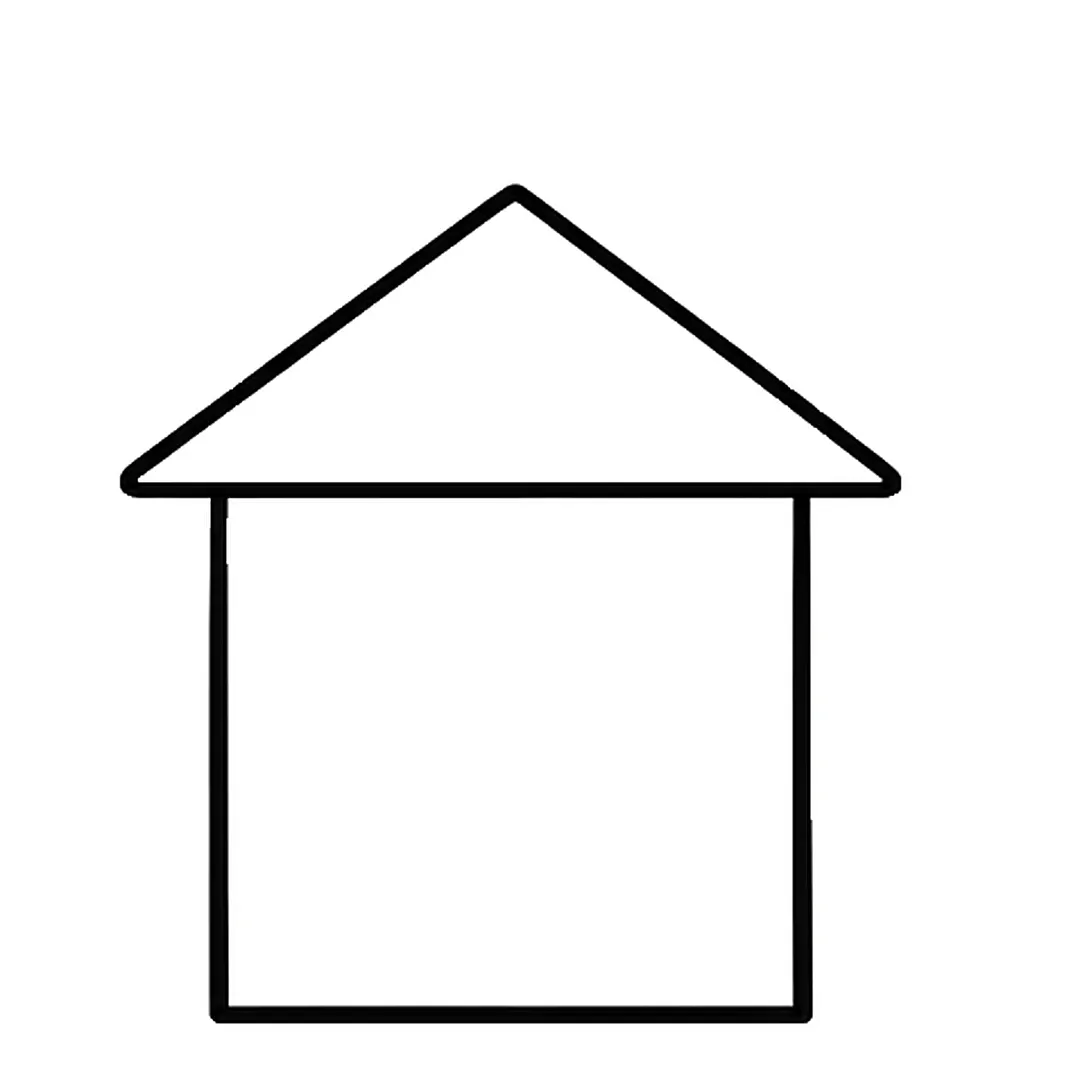
Step 2: Add a triangle roof on top that sticks out a little on both sides.
-
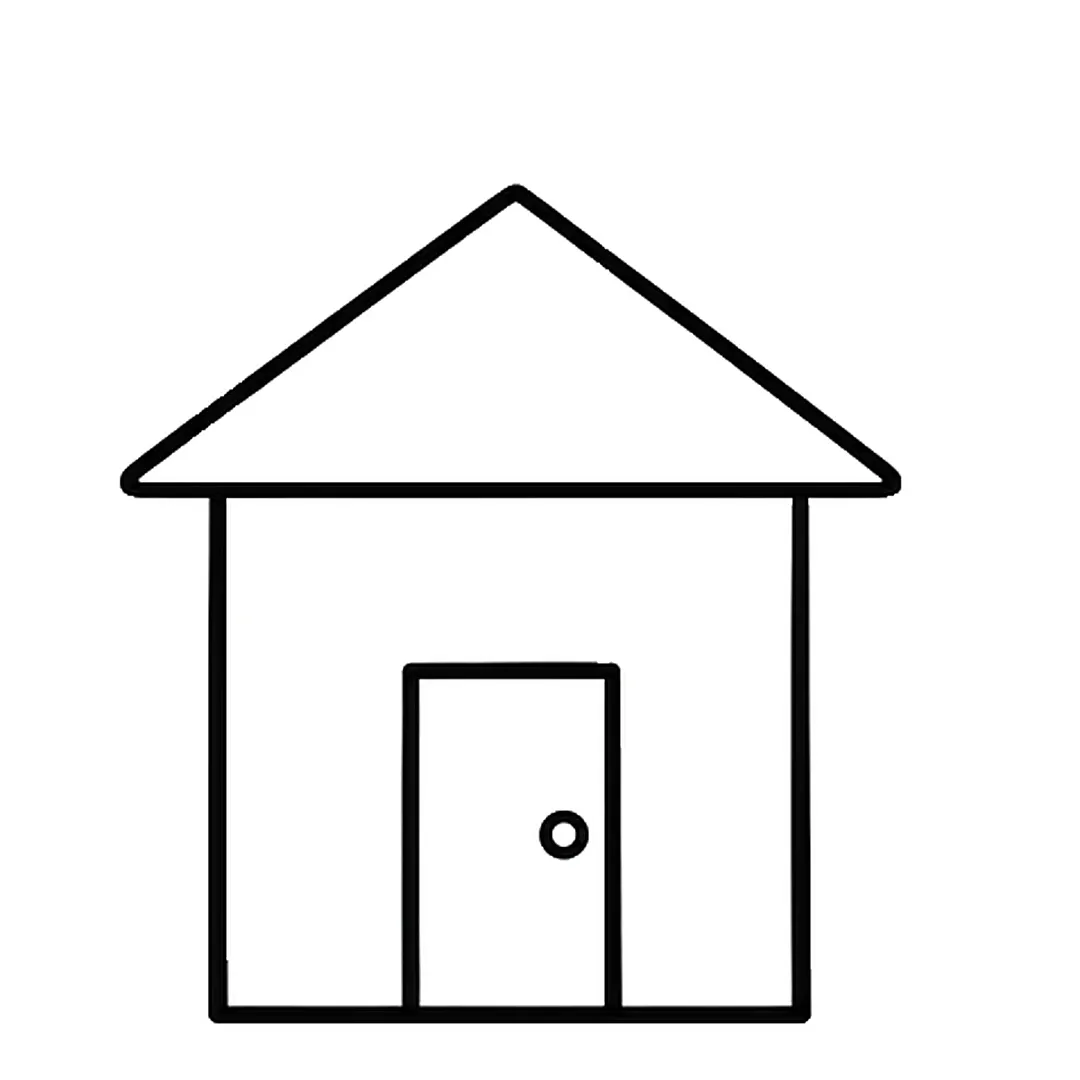
Step 3: Draw a tall door in the bottom middle with a small round knob.
-
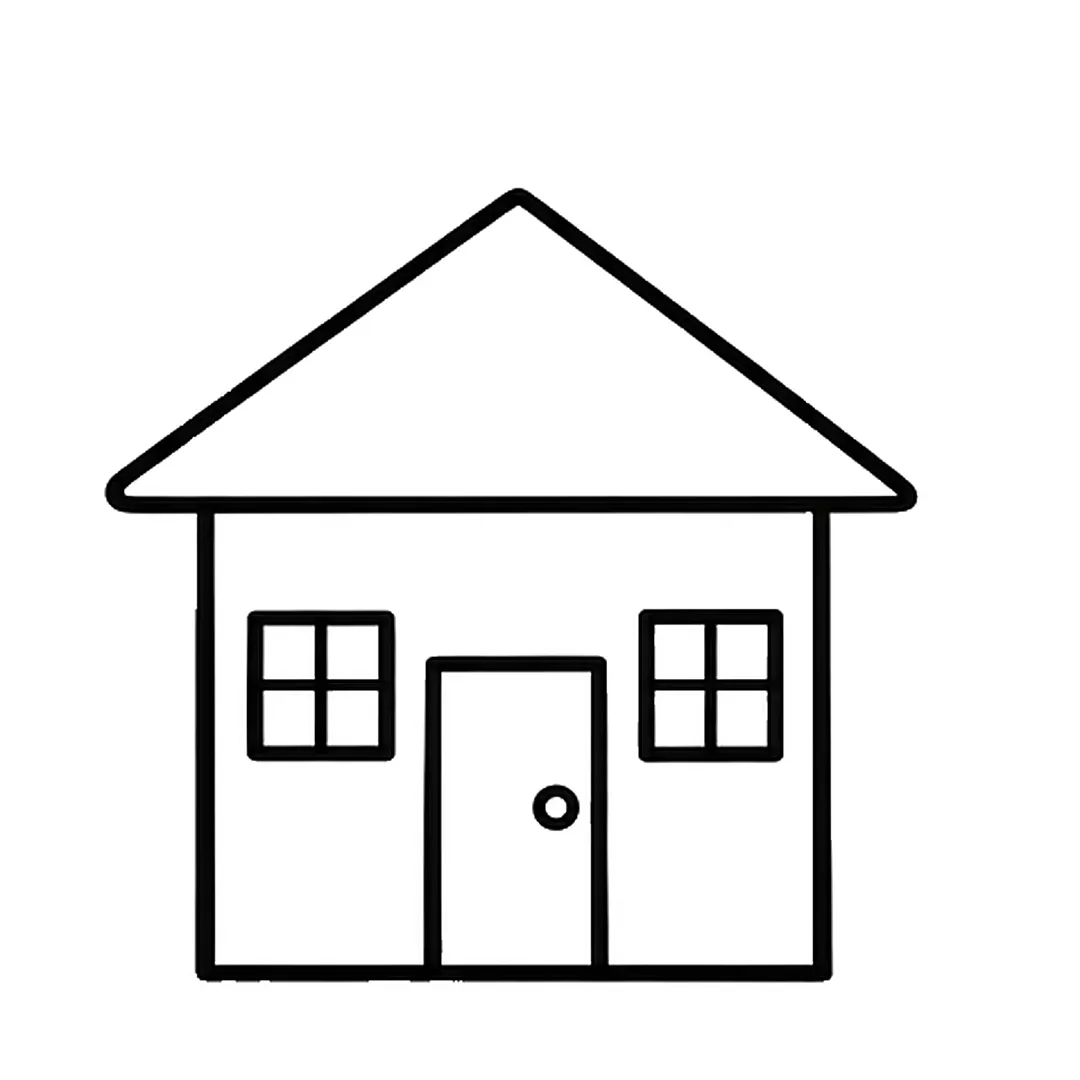
Step 4: Add two square windows, one on each side of the door, each with a cross.
-
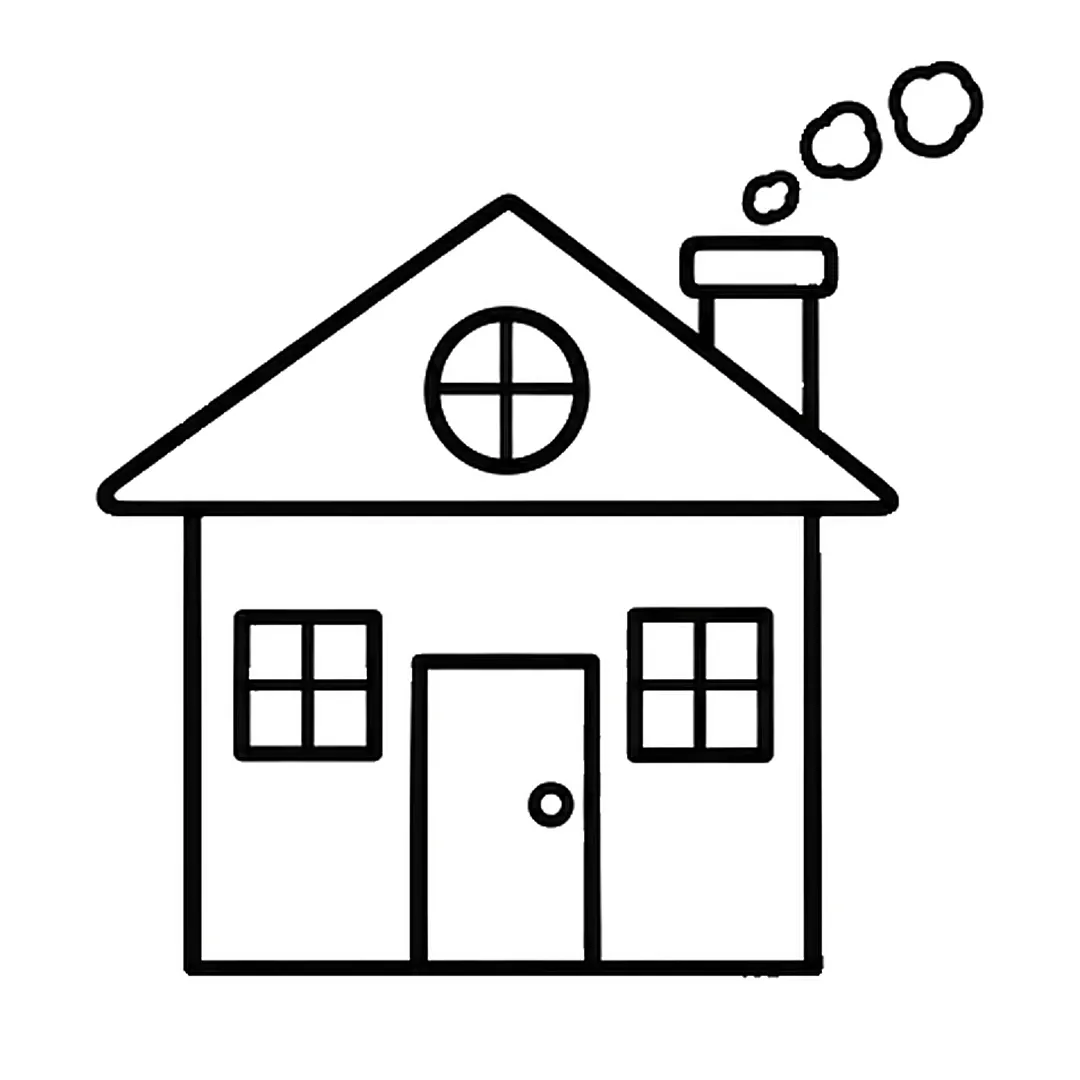
Step 5: Draw a chimney with three puffs of smoke and a round window in the roof.
-
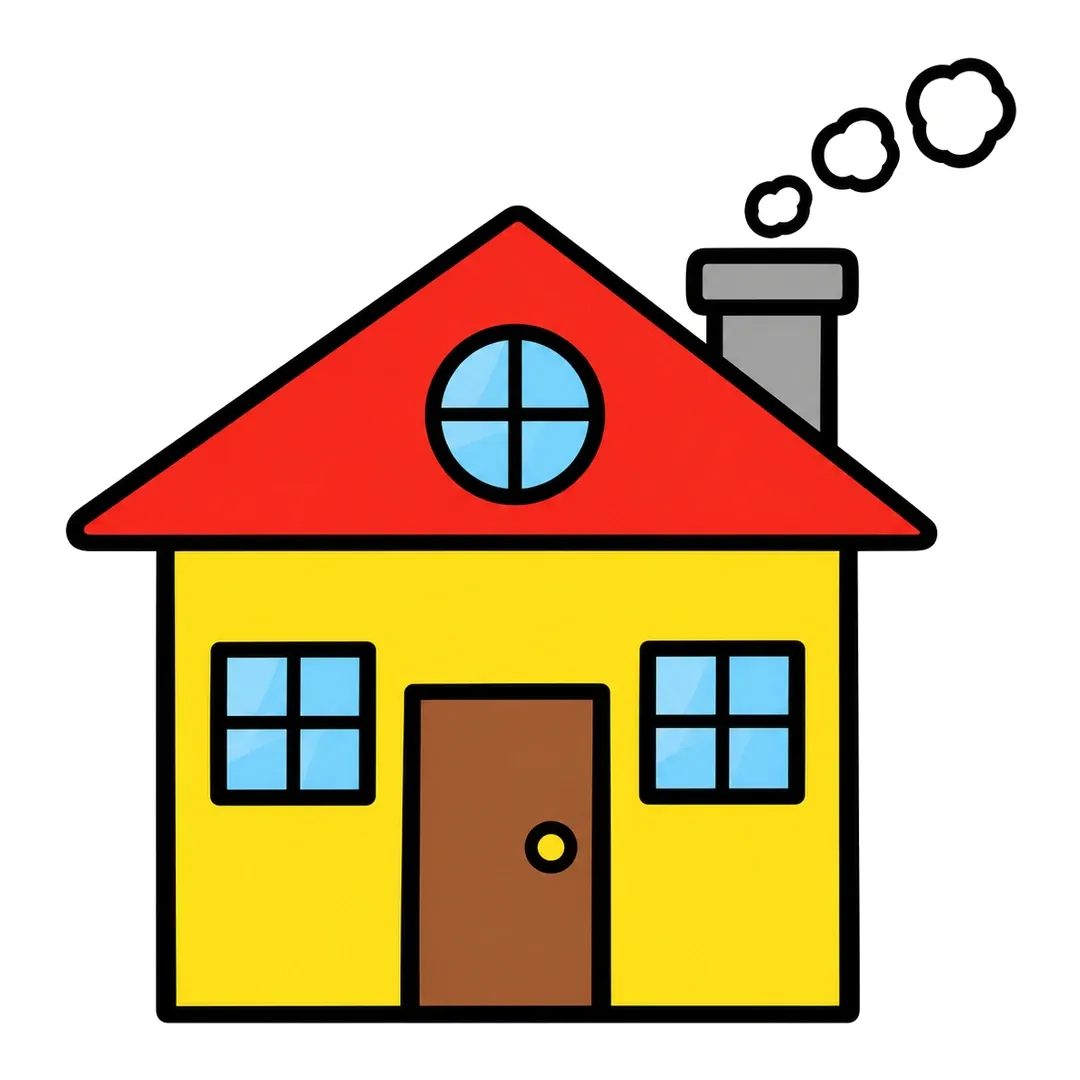
Step 6: Color the walls yellow, the roof red, the door brown, the windows light blue and the chimney gray.
Which Drawing Games Can Kids Play Together?
Drawing games are turn-based activities where kids draw, guess or pass a picture under simple rules. Classic examples include fold-and-pass drawings, draw-and-guess rounds and describe-and-draw pairs. Plan for 2 to 8 players, a pencil each and a timer (our suggestion).
Rules for three are on our things to draw when bored page, and lists of drawing games for kids and Pictionary words for kids are in progress. The draw-and-guess board game Pictionary was created by Rob Angel, a young waiter from Seattle, and was set to launch on June 1, 1985, CNBC Make It reports.
How Do You Run a Symmetry Drawing Activity?
To run a symmetry drawing activity, have children fold paper in half, draw one side, then match the other side. A line of symmetry splits a shape into two matching mirror halves. Common Core math standard 4.G.A.3 asks grade 4 students to recognize and draw lines of symmetry, so this activity also fits a 4th-grade math lesson.
Fold-and-Trace Halves
Fold-and-trace halves is a solo version. Steps 2 to 4 use a pencil-rub transfer, a common craft method.
- Fold a sheet of paper in half and open it again.
- Draw half a shape against the fold in soft pencil, pressing hard, such as half a heart, half a vase or half a beetle.
- Fold the paper shut and rub the back firmly with a spoon or a fingernail.
- Open the paper and trace over the faint pencil copy so both halves match.
- Color both halves with the same colors in the same places.
Younger children can skip the rubbing and cut the half-shape out of the folded paper. A butterfly drawing makes a good follow-up, since its 6 steps add wings on each side to match.
-
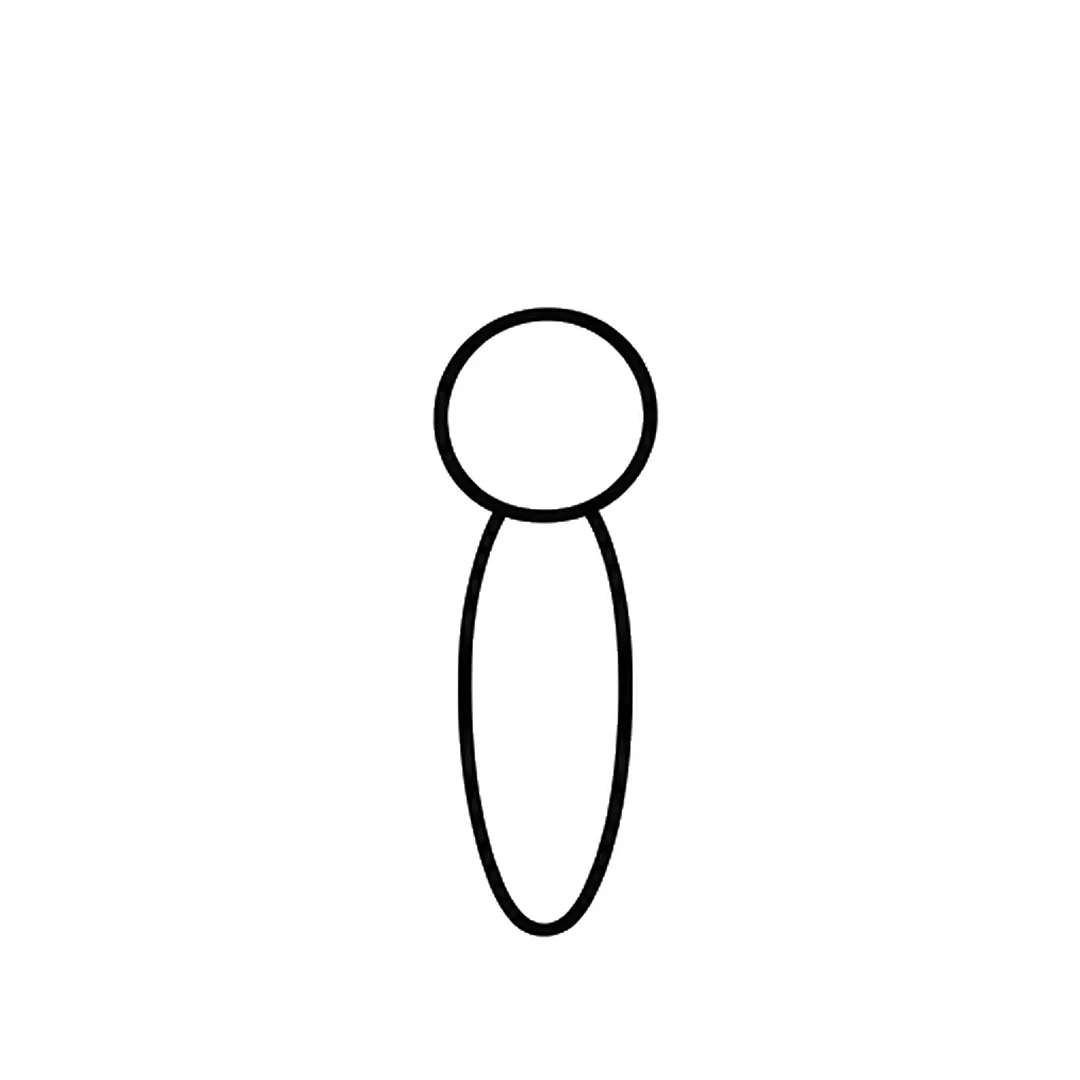
Step 1: Draw a round head on top of a long, thin oval body.
-
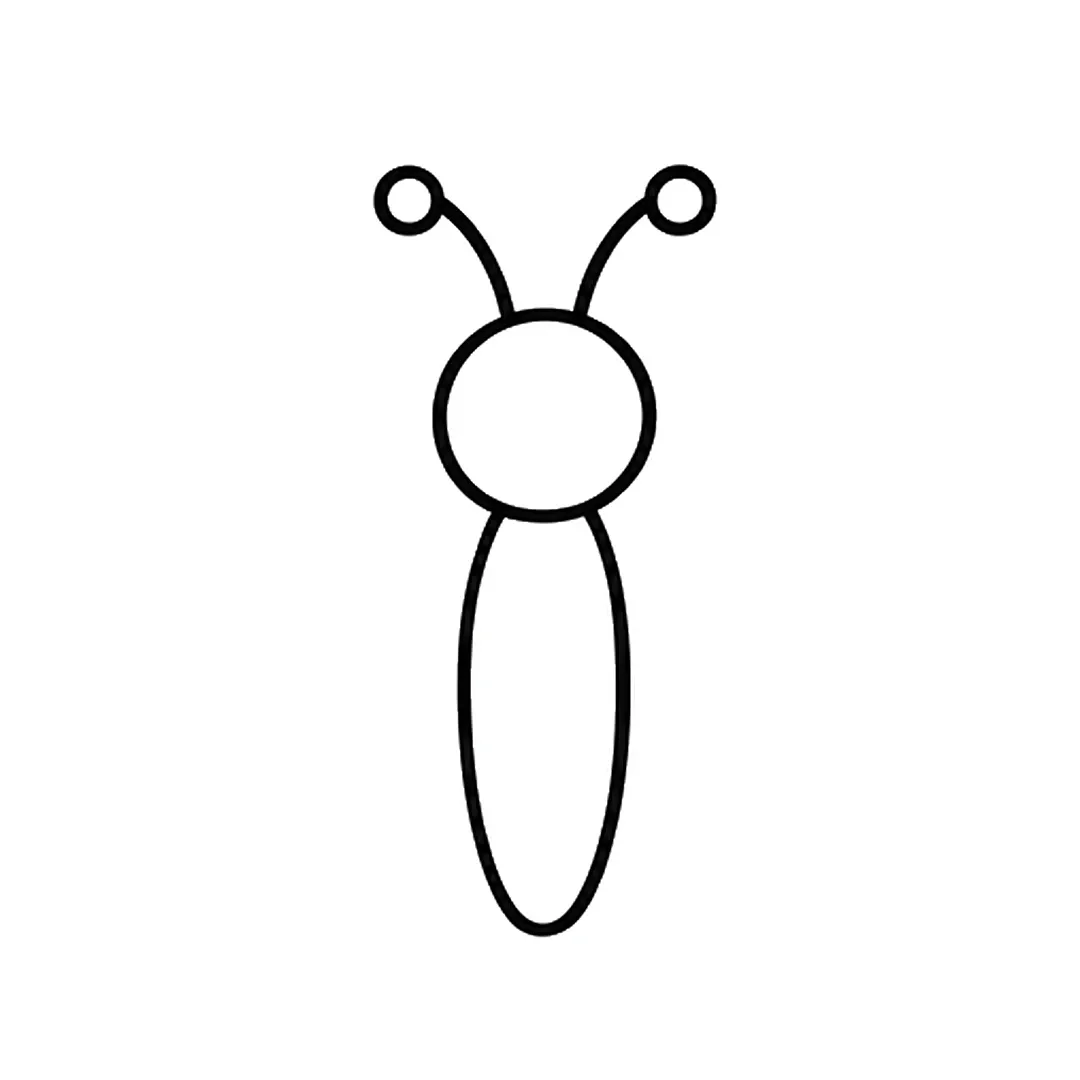
Step 2: Add two curved antennae on top of the head, each with a small circle at the end.
-
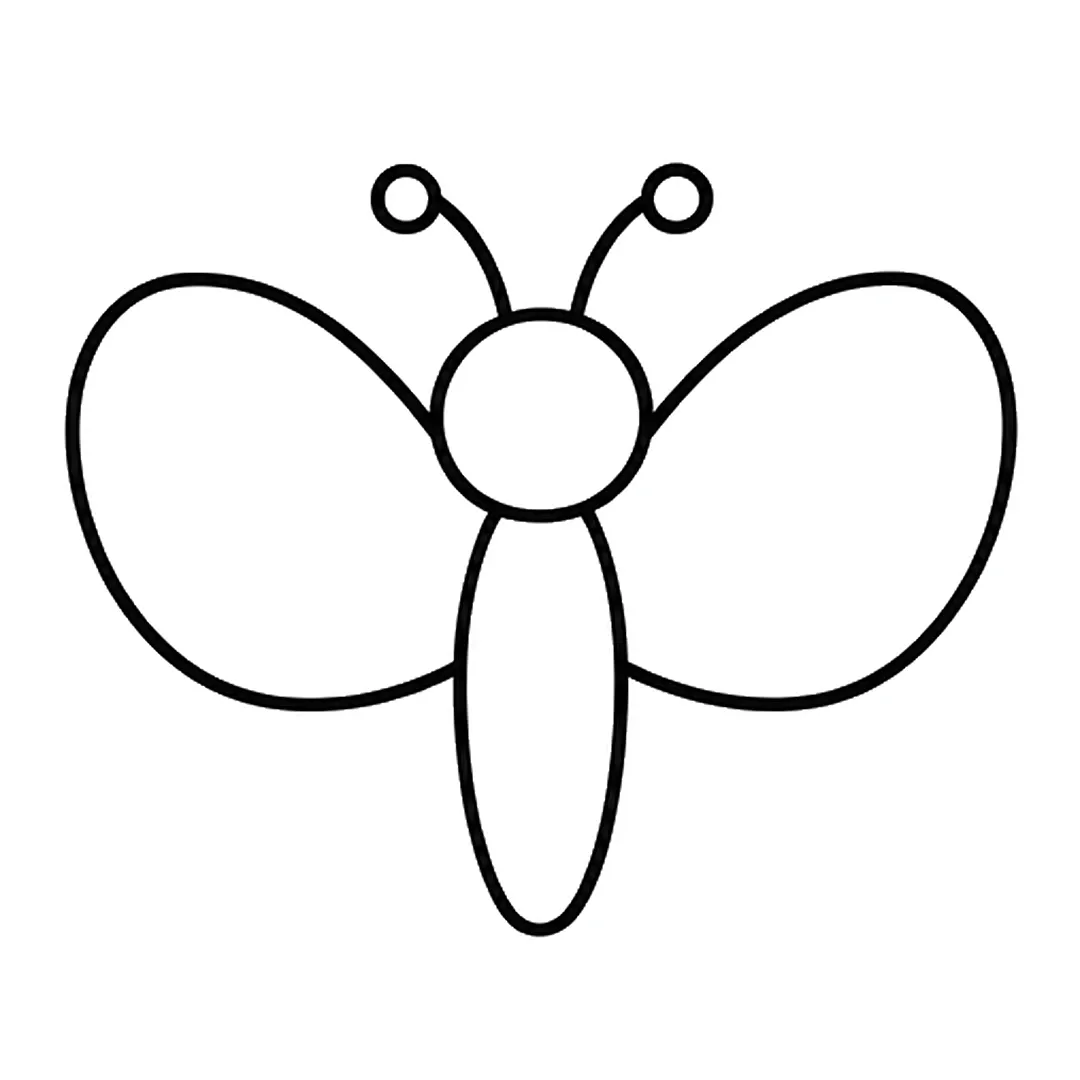
Step 3: Draw two big rounded upper wings, one on each side.
-
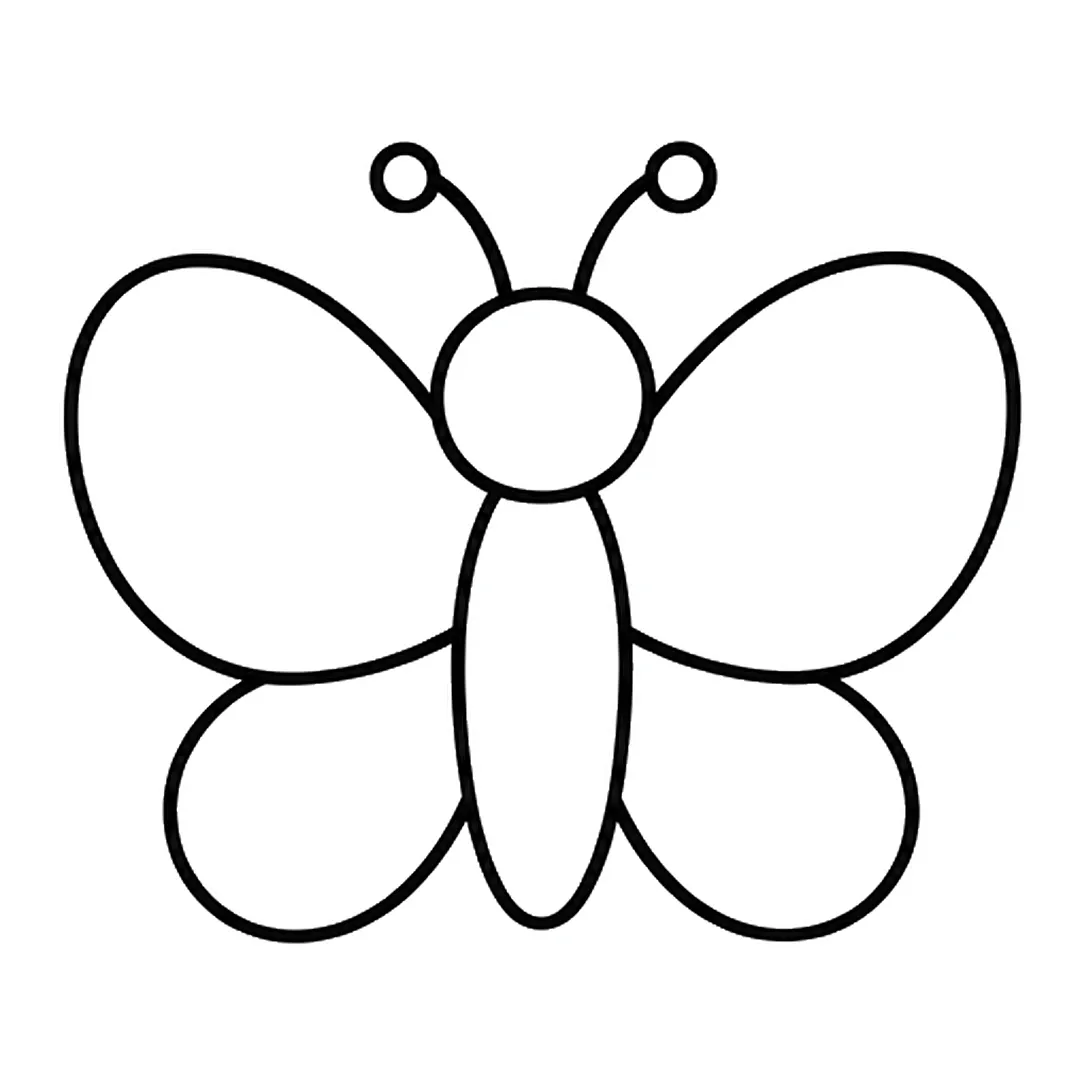
Step 4: Add two smaller rounded wings under the big ones.
-
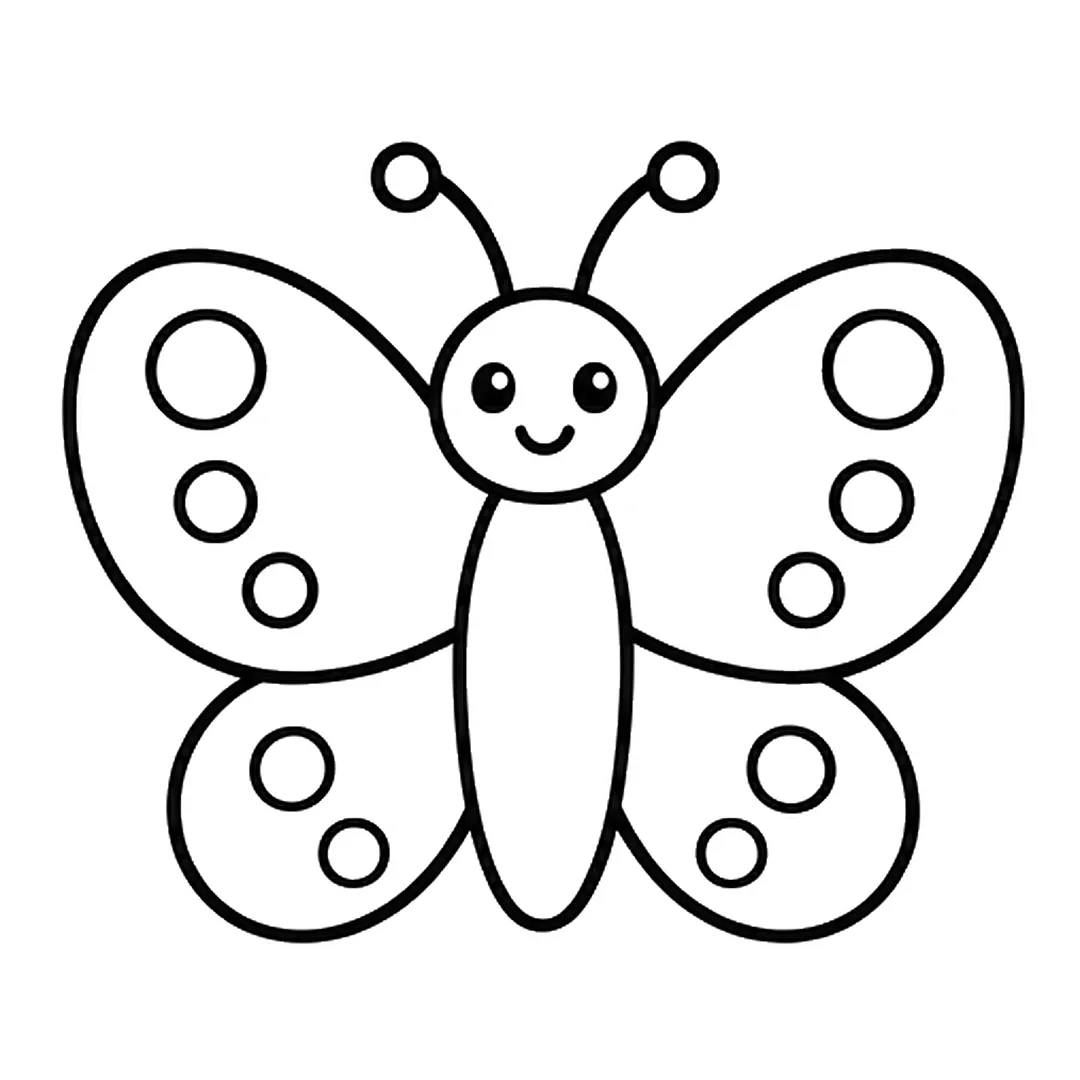
Step 5: Draw three spots on each top wing, two on each bottom wing and a happy face.
-
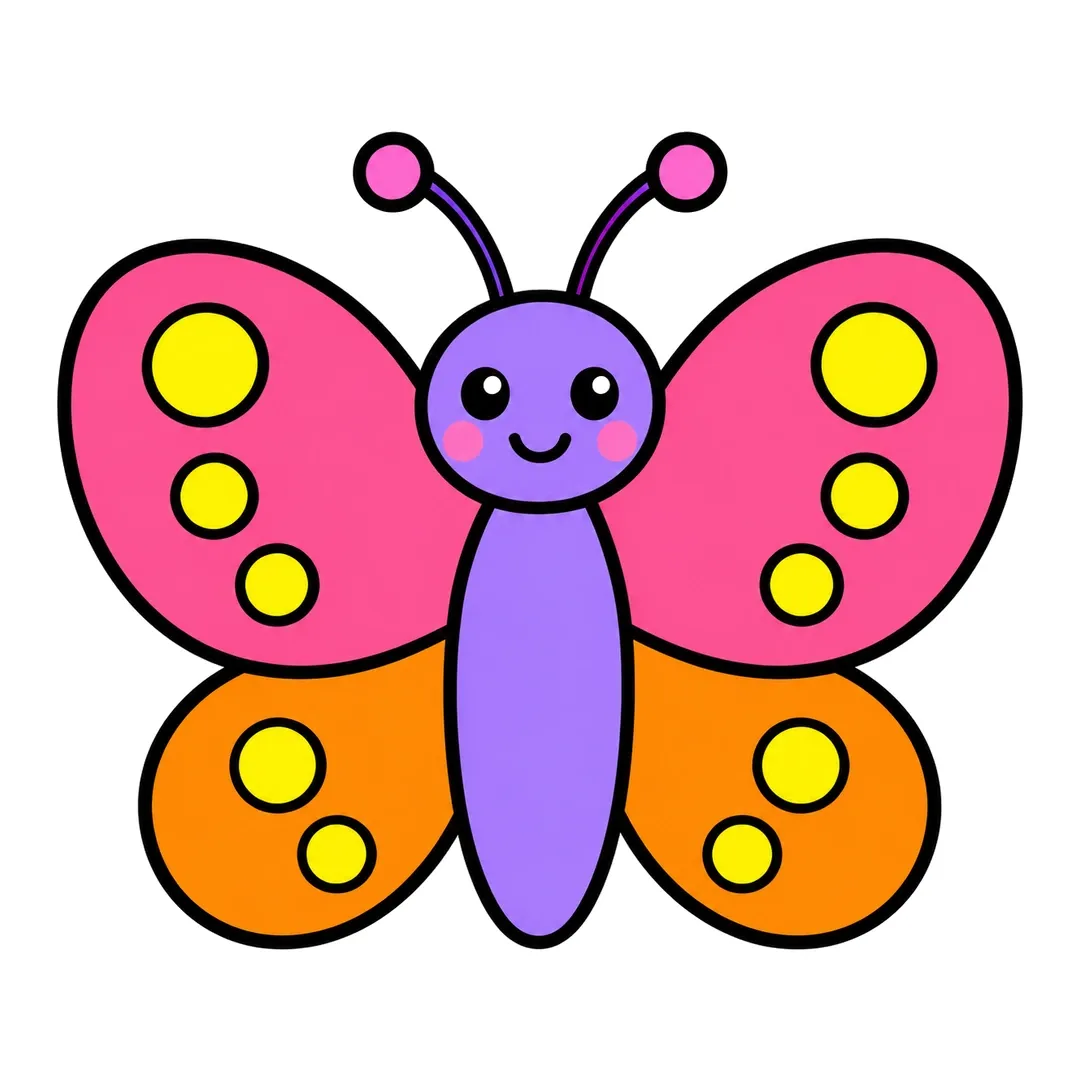
Step 6: Color the top wings pink, bottom wings orange, spots yellow and body purple. Add pink cheeks.
Partner Mirror Round
The partner mirror round is a pair version for ages 6 and up (our suggestion).
Two players sit side by side with a line drawn down the middle of the page. Player 1 adds one line or shape on the left, and player 2 copies it in mirror image on the right. Play 3 rounds of 2 minutes and swap roles each round. At the end, fold the sheet and hold it to a window to see how closely the halves line up.
How Do Kids Draw to Music?
To draw to music, play short pieces of music and let children draw the lines, shapes and colors each song suggests. Tate Kids says the painter Wassily Kandinsky believed colors, lines and shapes affect our feelings in the same way music can.
Kandinsky wrote in 1911, “Colour is the keyboard, the eyes are the hammers, the soul is the piano with many strings,” as quoted on Tate Kids. That same year he painted Impression III (Concert) after a concert by the composer Arnold Schoenberg, Tate notes. Show the painting before you start.
How to Run a Music Drawing Round
A music drawing round needs any number of players, large paper and 3 contrasting songs.
- Pick 3 pieces of music with different moods, such as a slow piece, a fast piece and a bouncy piece.
- Give each child one crayon color per song.
- Play each song for about 2 minutes (our suggestion), while children draw with that song’s color only.
- Ask each child to point to the part of the page that matches each song.
Older children can fold the paper into 3 panels, one per song.
What Is a Draw-and-Write Activity?
A draw-and-write activity is a page where a child draws a picture first, then writes about it. Head Start’s Early Learning Outcomes Framework (ELOF) says children aged 36 to 48 months engage in writing activities that consist largely of drawing and scribbling.
Between 48 and 60 months, the ELOF describes children progressively using drawing, scribbling, letter-like forms and letters to convey meaning. Writing some letters of their name is a CDC milestone for 5-year-olds, so a one-word label fits that age. Match the writing part to the child (our suggestions):
- Ages 3 to 4: draw a picture, then tell you about it while you write the words underneath.
- Ages 5 to 6: draw a picture, then write a label or the first letter of each thing in it.
- Ages 7 to 8: draw a picture, then write one or two sentences about what is happening.
- Ages 9 to 10: draw 3 small panels, then write a short caption under each one.
Each drawing in our printable drawing packs includes a draw-and-write page with the drawing box on top and writing lines below.
Which Drawing-Based Art Projects Can Kids Make?
Drawing-based art projects are projects where a drawing is the base and one more material finishes the piece. The 4 here are crayon resist, collage, bookmarks and calendar art. Each takes 15 to 30 minutes (our suggestion) and uses basic school supplies plus paint or glue.
Crayon Resist
Crayon resist is a crayon drawing that stays visible after watercolor is painted over it. The Harn Museum of Art at the University of Florida explains that crayons are made of wax, and wax repels the water in watercolor. The Harn recommends thicker paper, such as cardstock, tagboard or watercolor paper.
- Draw a picture or pattern with crayons, pressing hard.
- Write a hidden message with a white crayon on white paper, if you like.
- Paint over the whole page with watercolor.
- Watch the crayon lines appear through the paint.
- Let the page dry flat.
A Maine Department of Education pre-K lesson puts it in children’s words: the crayon wax keeps the water off. Ask your child to predict what will happen before painting.
Collage Drawing
Collage drawing is a picture built from cut and glued paper, with drawn details added on top. Tate calls papier collé (“pasted paper”) a form of collage closer to drawing than painting, first used by Georges Braque. The picture-book artist Eric Carle painted acrylic on white tissue paper, then cut it up for his collages, according to The Eric Carle Museum of Picture Book Art.
- Color or paint several sheets of scrap or tissue paper.
- Cut or tear the papers into body shapes, such as a round body or a long tail.
- Glue the shapes onto a sheet to form an animal or a scene.
- Draw eyes, legs and patterns on top with a black marker.
More story-linked ideas are on our picture book art activities page.
Bookmarks
A bookmark drawing is a small vertical picture on a cardstock strip that a child can use in a book. Cut the strip about 2 by 6 inches (5 × 15 cm), our suggested size, and ask for a tall subject such as a giraffe neck or a rocket. Punch a hole at the top and tie on yarn.
Calendar and Seasonal Art

Calendar art is one drawing per month, made to hang above a printed calendar grid. Children draw a snowman for January, a pumpkin for October, and so on. Our Christmas, winter and Thanksgiving drawing ideas give themed subjects. In January, an MLK Day art activity fits too. A month-by-month plan is coming on our art activities by month page.
What Are Outdoor Drawing Activities for Kids?
Outdoor drawing activities are drawing tasks done outside, using what children see or the ground itself. The two main ones are nature journaling on paper in a yard or park and sidewalk chalk on the pavement. Both work with one child or a whole class and take 15 to 40 minutes. Subjects to look for are in our easy nature drawing ideas.
Nature Journal
A nature journal is a notebook page where a child records an outdoor find in pictures, words and numbers. The nature-journaling educator John Muir Laws uses 3 prompts: “I notice, I wonder, It reminds me of.” On his Nature Journal Connection page, Laws says the prompts help people observe more deeply and ask better questions.
- Pick one thing to study, such as a leaf, a flower or a bug on a wall.
- Sketch the leaf, flower or bug big enough to fill most of the page.
- Write “I notice” and list 2 or 3 details beside the drawing.
- Write “I wonder” and add one question.
- Write “It reminds me of” and add one connection.
- Add one number, such as a leaf count or the time of day.
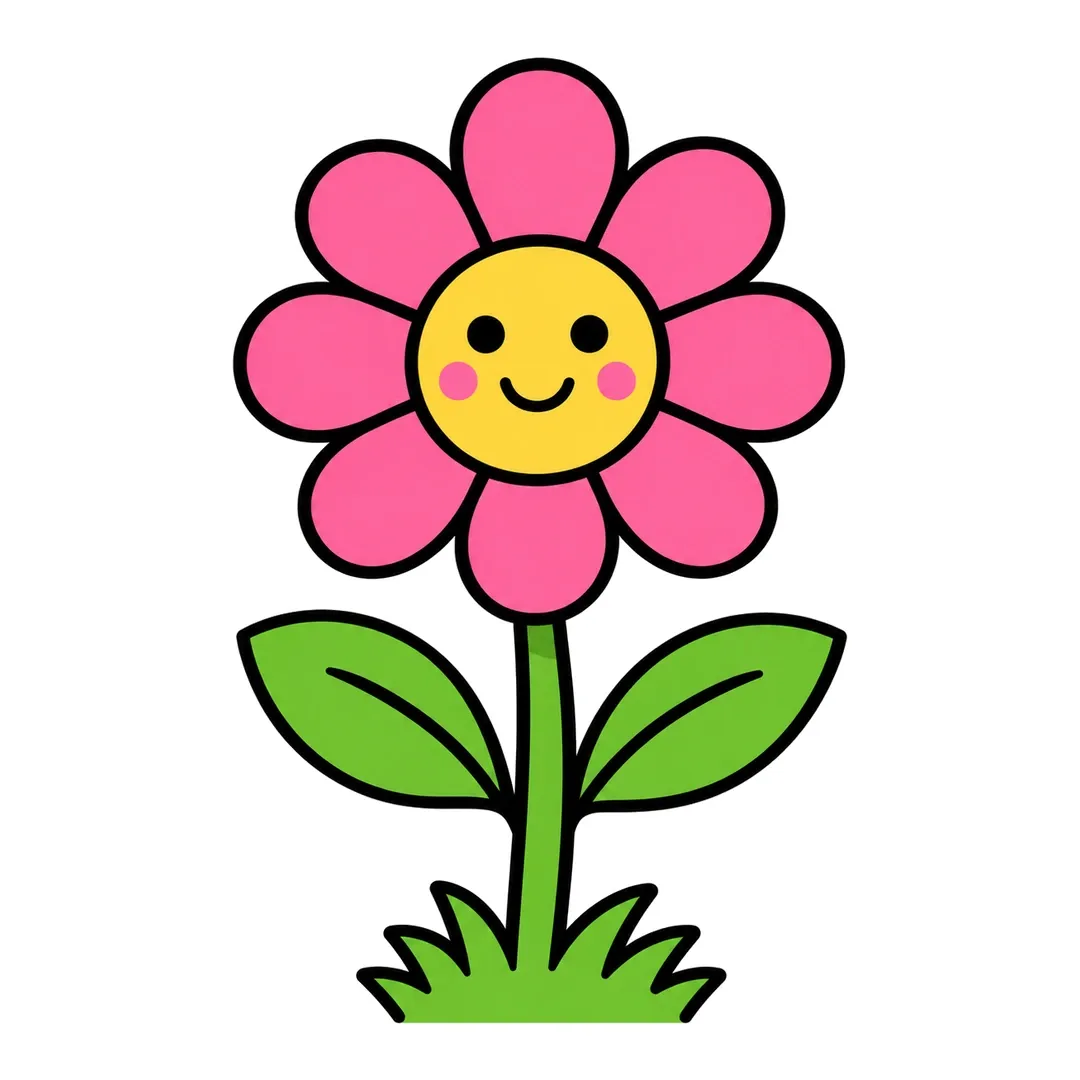
In their book How to Teach Nature Journaling, Laws and Emilie Lygren tell students they need to record as many observations as they can, not make a pretty picture. Share that with children who say they cannot draw. Our flower drawing and tree drawing give a 6-step starting shape, and the Flowers and Nature drawing pack adds more outdoor subjects.
Sidewalk Chalk
Sidewalk chalk drawing is large drawing with chalk on a driveway, playground or sidewalk. The Strong National Museum of Play inducted sidewalk chalk into its National Toy Hall of Fame in 2020. The Strong says street painting began in Europe in the 16th century, when traveling artists decorated public squares for festivals.
Three chalk activities suit groups, and more are coming on our sidewalk chalk drawing ideas page:
- Chalk mural squares: mark one square per child in a grid, then let each child fill a square on one theme, such as the ocean.
- Shadow tracing: one child stands still while a partner traces the outline of the shadow, then both color it in.
- Chalk path: draw a long winding road, then add houses, trees and animals along it.
How Do You Plan a Drawing Activity Party?
A drawing activity party is a 60-minute run of 4 or 5 short drawing activities, ending with a take-home piece. The plan below suits 6 to 10 guests aged 5 to 8 (our suggestion), with a timer for each block. Cover the table with paper before guests arrive.
| Time | Activity | How to run it |
|---|---|---|
| 0 to 10 min | Group mural | Tape a long sheet of paper to the table. Guests draw on it as they arrive, on a theme such as “our party town.” |
| 10 to 25 min | Draw-and-guess teams | Split into 2 teams. One player draws a secret word card in 1 minute while the team guesses. Play 2 rounds, so each guest draws once. |
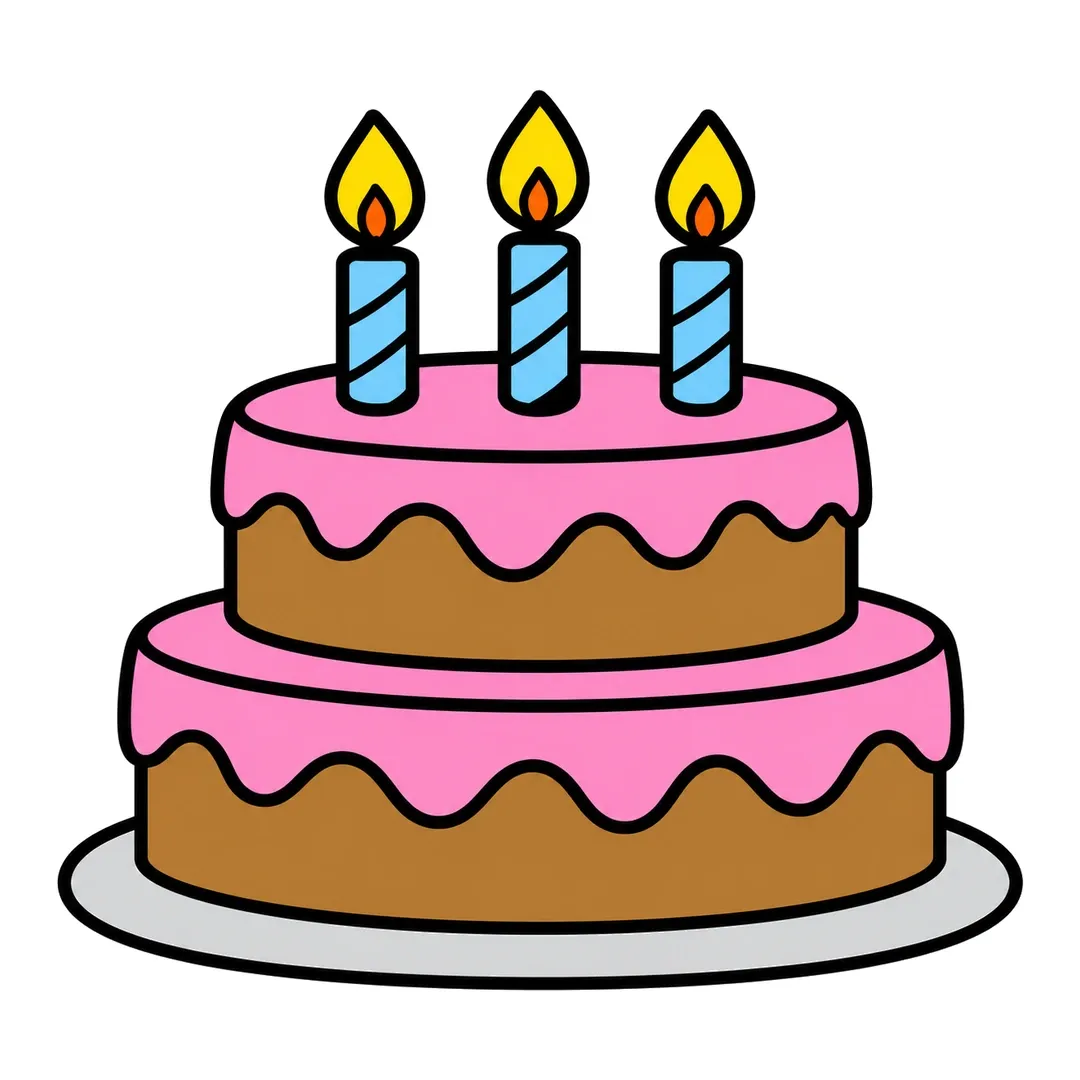
| 25 to 40 min | Directed drawing | Draw a birthday cake together in 6 steps, then let each guest add extra candles and decorations. |
| 40 to 50 min | Drawing to music | Play 3 songs for 2 minutes each, one crayon color per song. |
| 50 to 60 min | Bookmark take-home | Each guest draws a bookmark and takes it home with the cake drawing. |
Keep the draw-and-guess words simple, such as cat, sun, boat or pizza, and skip prizes for younger guests. Tate says the surrealists invented the folded drawing game exquisite corpse in Paris in 1925, so group drawing has an artist history too. See also collaborative drawing for kids and drawing competition ideas for kids.
What Drawing Activities Work on a Rainy Day?
The drawing activities that work best on a rainy day are calm, table-based ones that you can chain into one afternoon. The 90-minute plan below suits 1 to 3 children at home, aged 4 to 10 (our suggestion), with a 15-minute break in the middle.
| Time | Activity | Notes |
|---|---|---|
| 0 to 15 min | Symmetry fold-and-trace | Half-shapes against the fold, then match the halves. |
| 15 to 35 min | Crayon resist “rain picture” | Draw an umbrella scene in crayon, then paint blue watercolor rain over it. |
| 35 to 50 min | Snack and break | Let the resist pages dry flat. |
| 50 to 70 min | Draw-and-write story | Draw what the family did today, then write or dictate a sentence. |
| 70 to 80 min | Drawing to music | 3 songs, 3 colors. |
| 80 to 90 min | Directed drawing | Pick any 4-step or 6-step tutorial and finish with coloring. |
You do not have to fill every minute. HealthyChildren.org, the American Academy of Pediatrics (AAP) site for parents, reminds parents of 4- to 6-year-olds that some boredom allows for creativity.
What Supplies Do Drawing Activities Need?
Most drawing activities need paper, a pencil, an eraser, a black marker and crayons. Our tutorials list this kit under “You need.” The CDC suggests an “activity box” with paper, crayons and coloring books for 3-year-olds. The projects on this page add 4 extras: watercolor paint, glue sticks, safety scissors and sidewalk chalk.
For art supplies used by children in sixth grade or younger, look for the AP (Approved Product) Seal from the Art & Creative Materials Institute (ACMI). Use thick paper or cardstock for crayon resist and any wet project.
Why Are Art Activities Important for Kids?
Art activities are important for kids because child-education and pediatric groups treat art and play as part of early learning. NAEA’s position statement says the visual arts are essential to early learning, and it treats early childhood as birth to 8 years.
The AAP’s 2018 clinical report “The Power of Play,” by Yogman and colleagues in Pediatrics, says play is not frivolous and promotes executive function. For ages 4 to 6, HealthyChildren.org suggests chances to sing, dance and draw, and says music and art activities support cognitive, social-emotional and multisensory skills. NAEYC adds that small motor skills, which develop through gluing, drawing, painting and clay, are important for future writing.
Which Drawing Activity Should You Try First?
Start with one short activity from the table that matches your child’s age and the time you have. A symmetry fold or a music drawing round needs only paper, crayons and 10 minutes. For a guided start, pick a tutorial and send yourself its free step sheet from our step sheets page.
For more pages at once, browse themed packs in the shop, where each drawing has step, tracing, coloring and draw-and-write pages. Our printable drawing worksheets for kids and drawing and coloring pages for kids are on the way.