Each skill below links to free easy drawings for kids you can practice with.
Which Elements of Art Make Up the Basics of Drawing?
The basics of drawing for kids are the elements of art: line, shape, form, value, space, texture and color. The J. Paul Getty Museum calls these elements “the building blocks used by artists to create a work of art.” A beginner uses line and shape first, then adds the others one at a time.
Sources count the elements differently. The National Gallery of Art (NGA) introduces 5, the Getty’s elements of art handout and vocabulary page use 6, and the UC Berkeley Library design guide lists 7. The 7-element list adds value as its own element, while Getty treats value as part of color.
| Element | What it means for a child | A first thing to try |
|---|---|---|
| Line | A mark longer than it is wide (Getty) | A row of straight, wavy and zigzag lines |
| Shape | A flat area inside an outline (NGA) | A circle, a square and a triangle |
| Form | A shape with length, width and depth (Getty) | A ball instead of a flat circle |
| Value | How light or dark something is (Kennedy Center) | One light, one middle and one dark patch |
| Space | The area around and between objects (Getty) | Two trees with sky showing between them |
| Texture | How a surface looks or feels (NGA, Getty) | Fur, bricks or bumpy bark made of marks |
| Color | Hue, value and intensity: name, lightness, brightness (Getty) | One red crayon pressed light and pressed hard |
The “first thing to try” column is our suggestion. Getty adds a detail kids enjoy: a drawing of a porcupine can look prickly, yet the paper still feels smooth. That is drawn texture.
Which Lines Should Kids Learn to Draw First?
Kids typically learn vertical and horizontal lines first, then circles, then crosses, diagonals and squares, then triangles and stars. NHS occupational therapy leaflets describe this order. Pencil skills begin with random marks and scribbles. A circle comes at about 3, a triangle at about 5, and a star from about 6.
The York and Scarborough NHS leaflet “Mark-Making, General Advice” gives these typical ages for copying lines and shapes:
| Typical age | Line or shape a child copies | Source |
|---|---|---|
| About 2 to 2½ | Vertical and horizontal strokes, after an adult draws them | York NHS |
| About 3 | A circle (CDC: draws a circle when you show how) | York NHS, CDC |
| About 4 to 4½ | A cross, right and left diagonal lines, a square | York NHS |
| About 5 | A triangle | York NHS |
| About 6 and up | A star; draws freely and comfortably | York NHS |
The CDC builds its milestone lists from skills that 75% or more of children reach by a given age. Every age in this table is a rough guide, and children reach these shapes at different times.
Line Types to Practice
Line types come in pairs a child can name: straight or curved, thick or thin, and horizontal, vertical or diagonal (Getty). The NGA adds zigzag, curly and spiral lines. A Crayola lesson plan notes that line “has been called the backbone of art.”
Diagonals Come Later
Diagonal lines are hard for young children. Bedfordshire and Luton Children’s Health (NHS) says tracing a diagonal is much easier than drawing one alone. It suggests trying diagonals once vertical lines, horizontal lines and circles go well. Stars come last in the York list, so save the how to draw a star tutorial for when diagonals feel easy.
For line games and warm-ups, see line drawing for kids.
How Do Simple Shapes Build a Drawing?
Simple shapes build a drawing because many subjects break down into circles, ovals, squares, rectangles and triangles placed next to each other. The NGA defines shape as “a flat area surrounded by edges or an outline.” A house is a square under a triangle. A fish is a wide oval with a tail.
Getty splits shapes into 2 kinds: geometric shapes, such as squares and circles, and organic shapes, such as clouds and leaves. The NGA calls geometric shapes “precise and regular.” It calls the rounded, irregular shapes of nature “biomorphic.”
Flat Shapes and Solid Forms
A flat shape becomes a solid form when it gets depth as well as length and width. The NGA pairs 4 shapes with their forms:
- Circle becomes a sphere, like a ball.
- Square becomes a cube, like a box.
- Rectangle becomes a rectangular prism, like a brick.
- Triangle becomes a pyramid.
Forms come after flat shapes, once a child wants a drawing to look solid.
One Drawing Built From Shapes
A house shows the shape method in 6 steps that start with a big square and a triangle roof. In the how to draw a house tutorial, the square makes the walls and the triangle sticks out a little on both sides. Then come a tall door with a knob and two square windows with a cross.
-
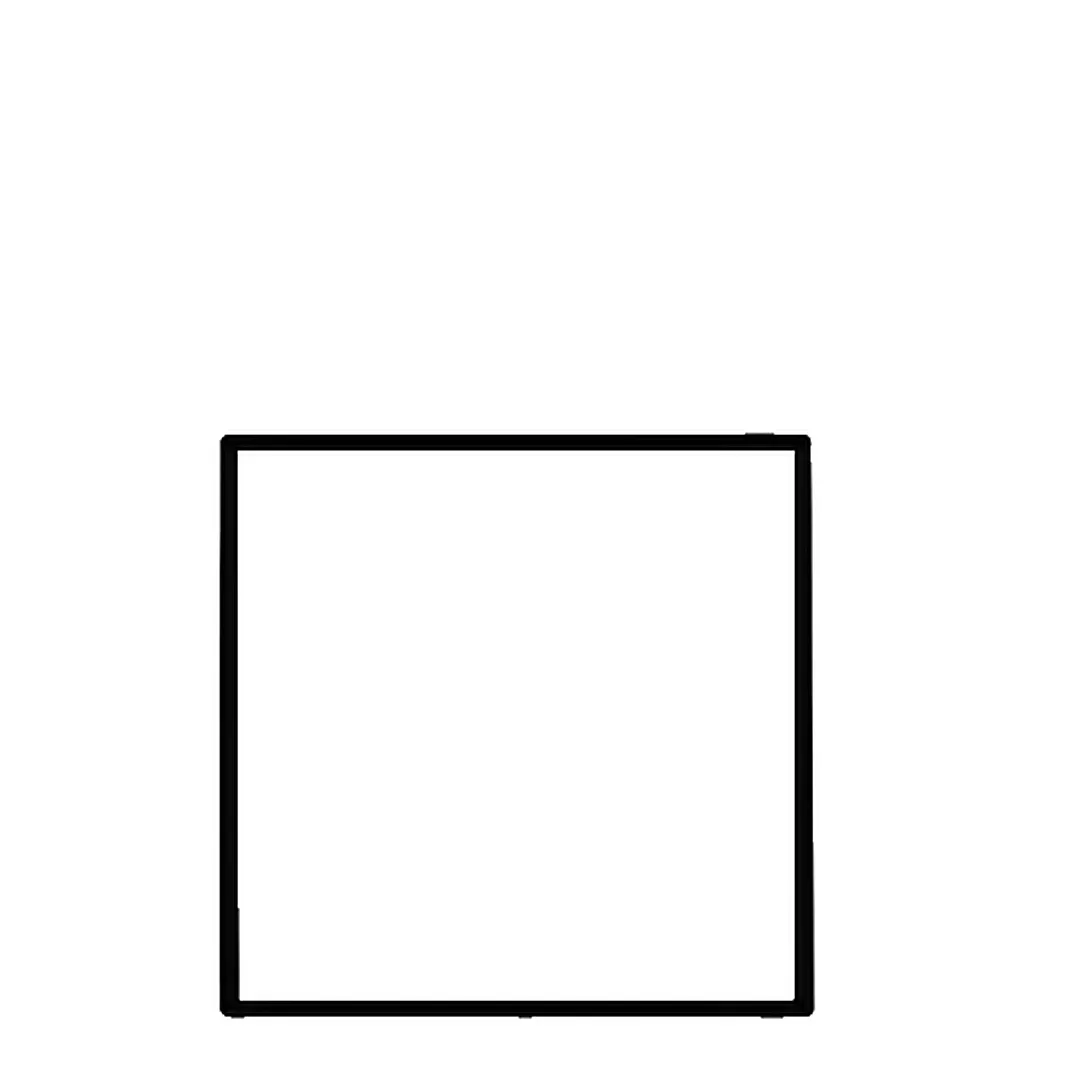
Step 1: Draw a big square for the walls.
-
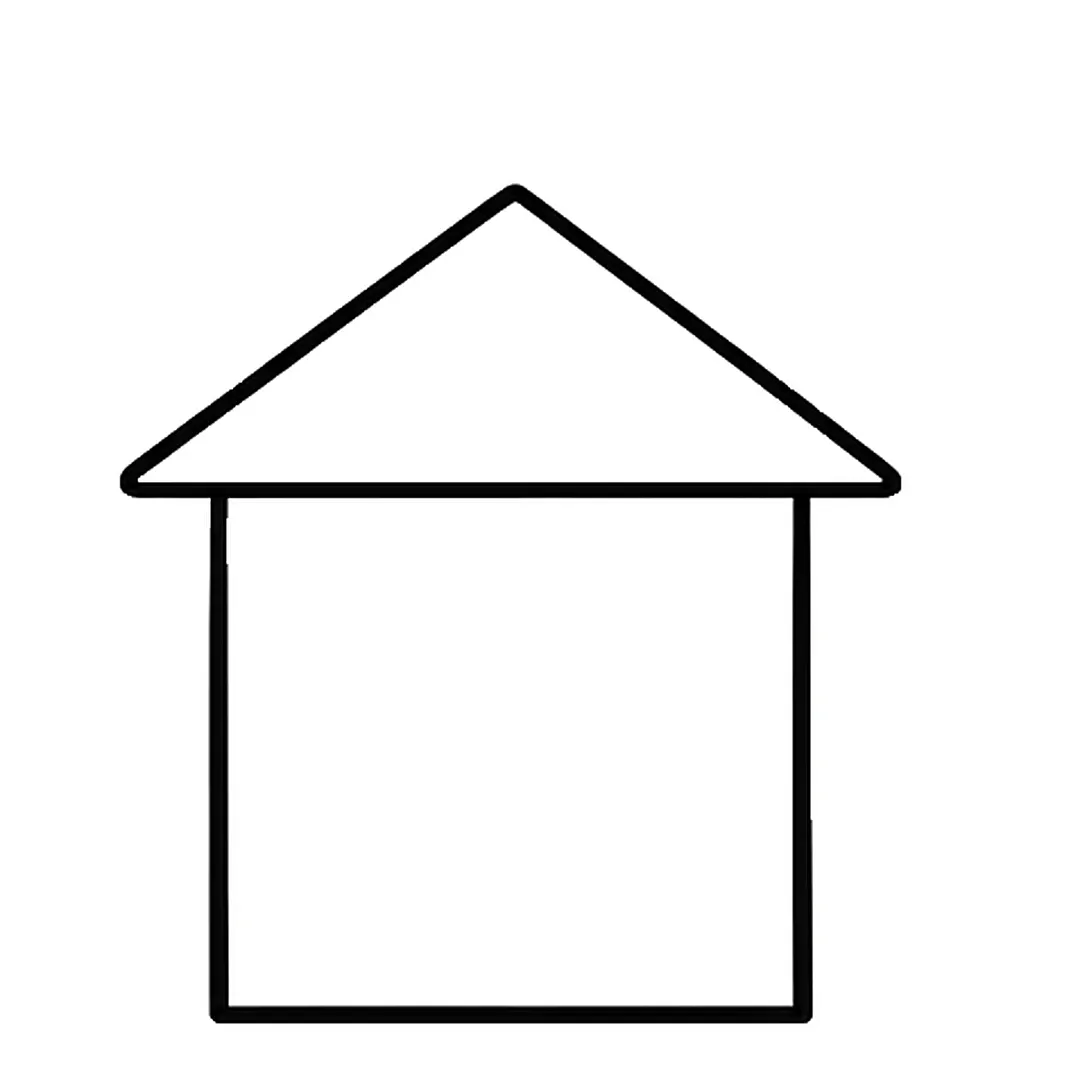
Step 2: Add a triangle roof on top that sticks out a little on both sides.
-
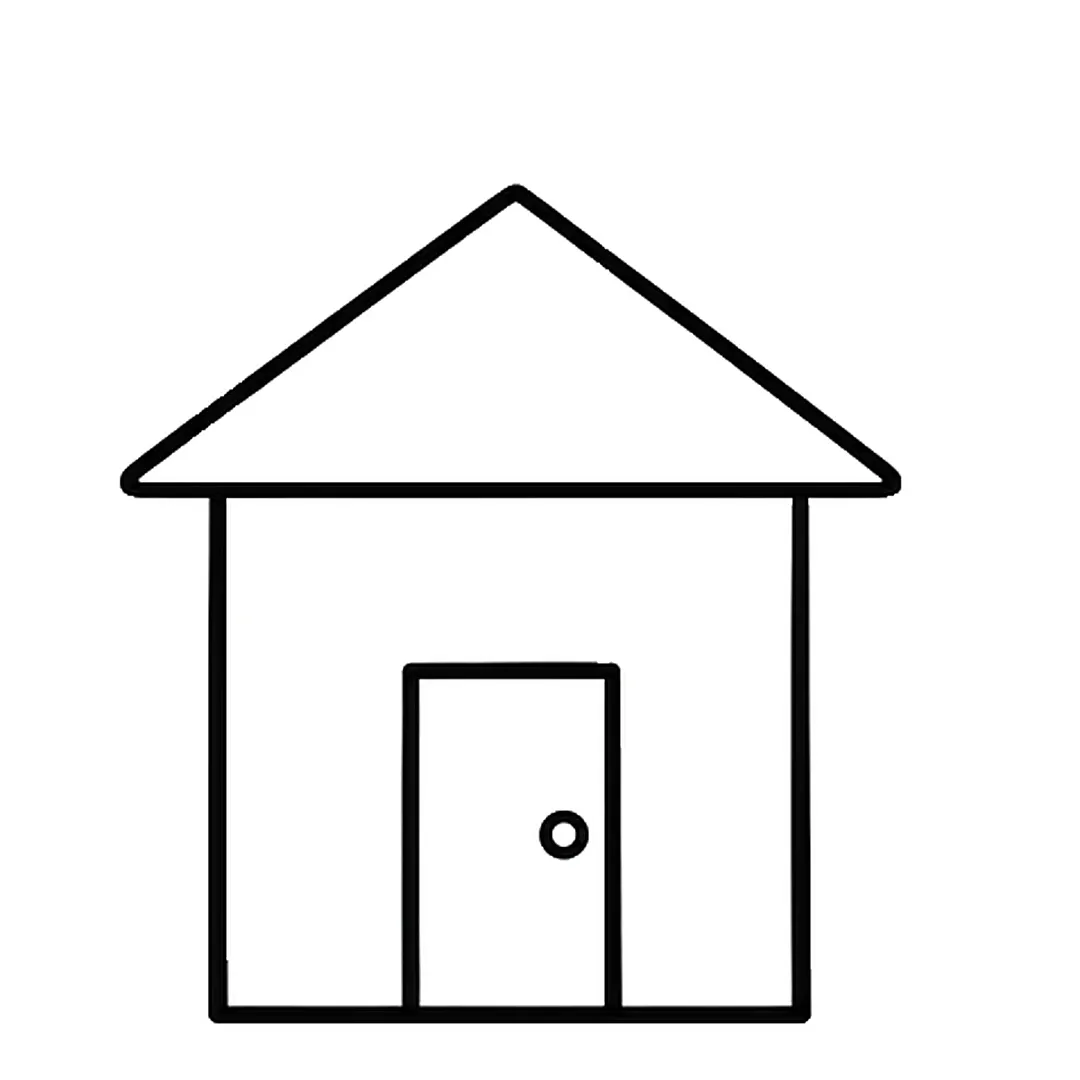
Step 3: Draw a tall door in the bottom middle with a small round knob.
-
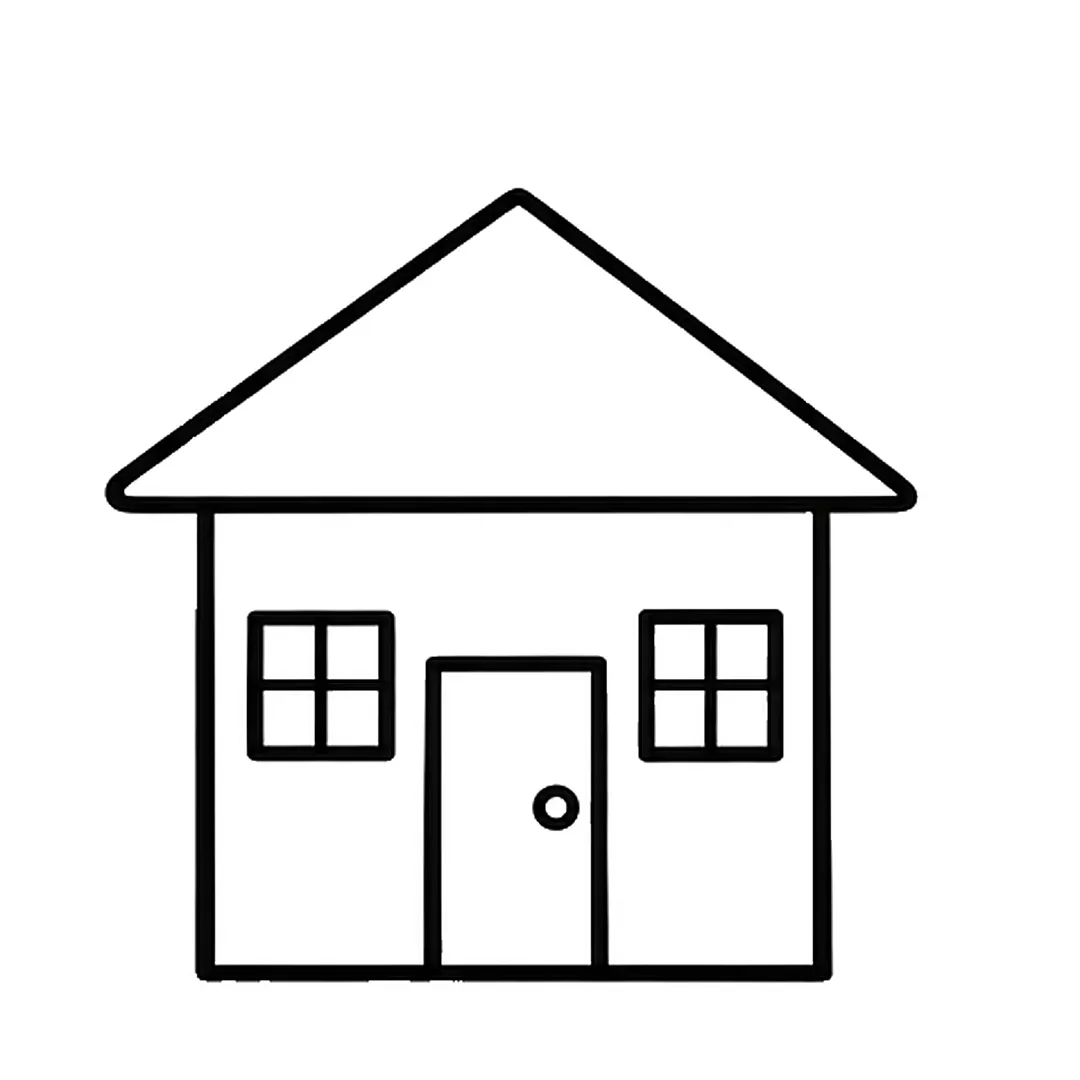
Step 4: Add two square windows, one on each side of the door, each with a cross.
-
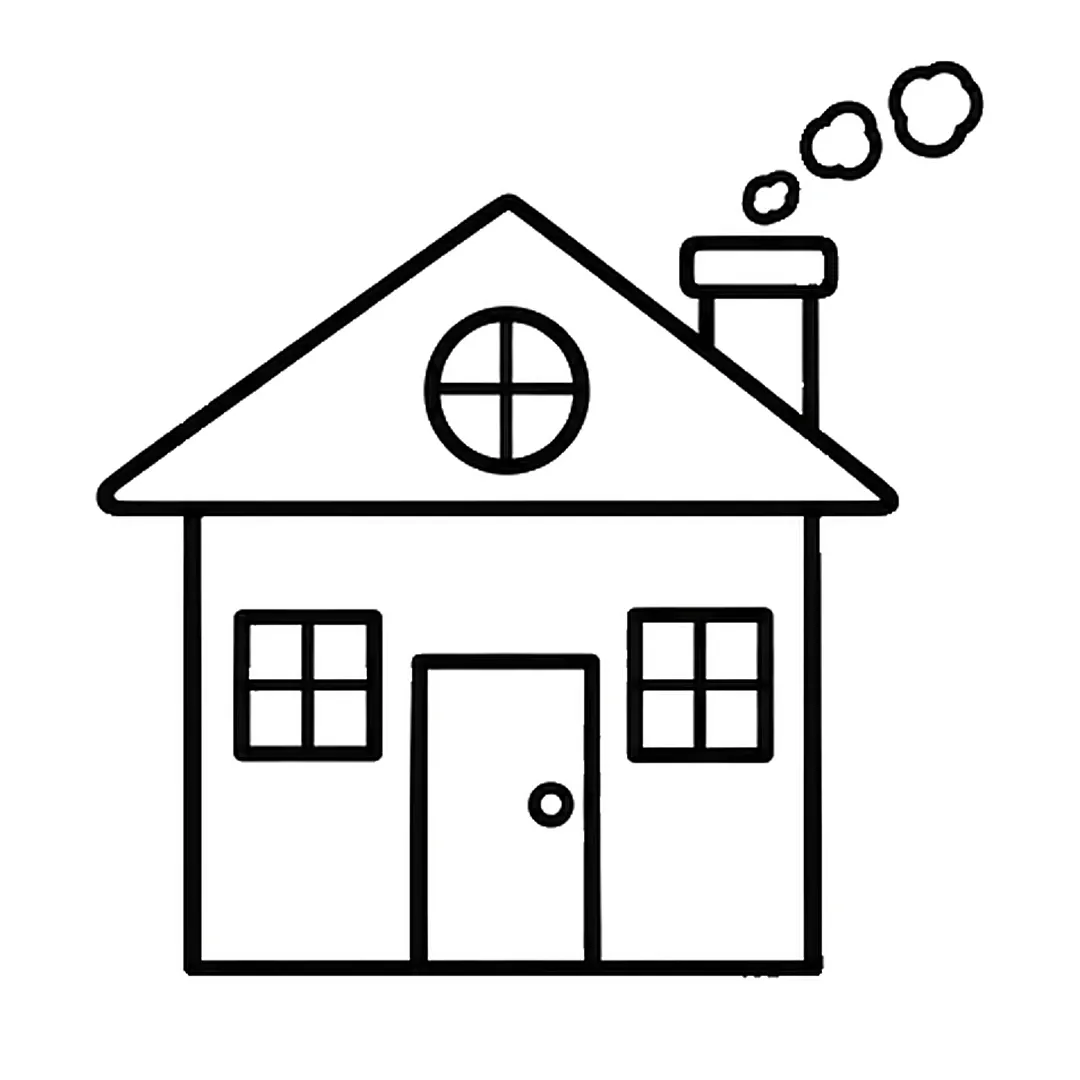
Step 5: Draw a chimney with three puffs of smoke and a round window in the roof.
-
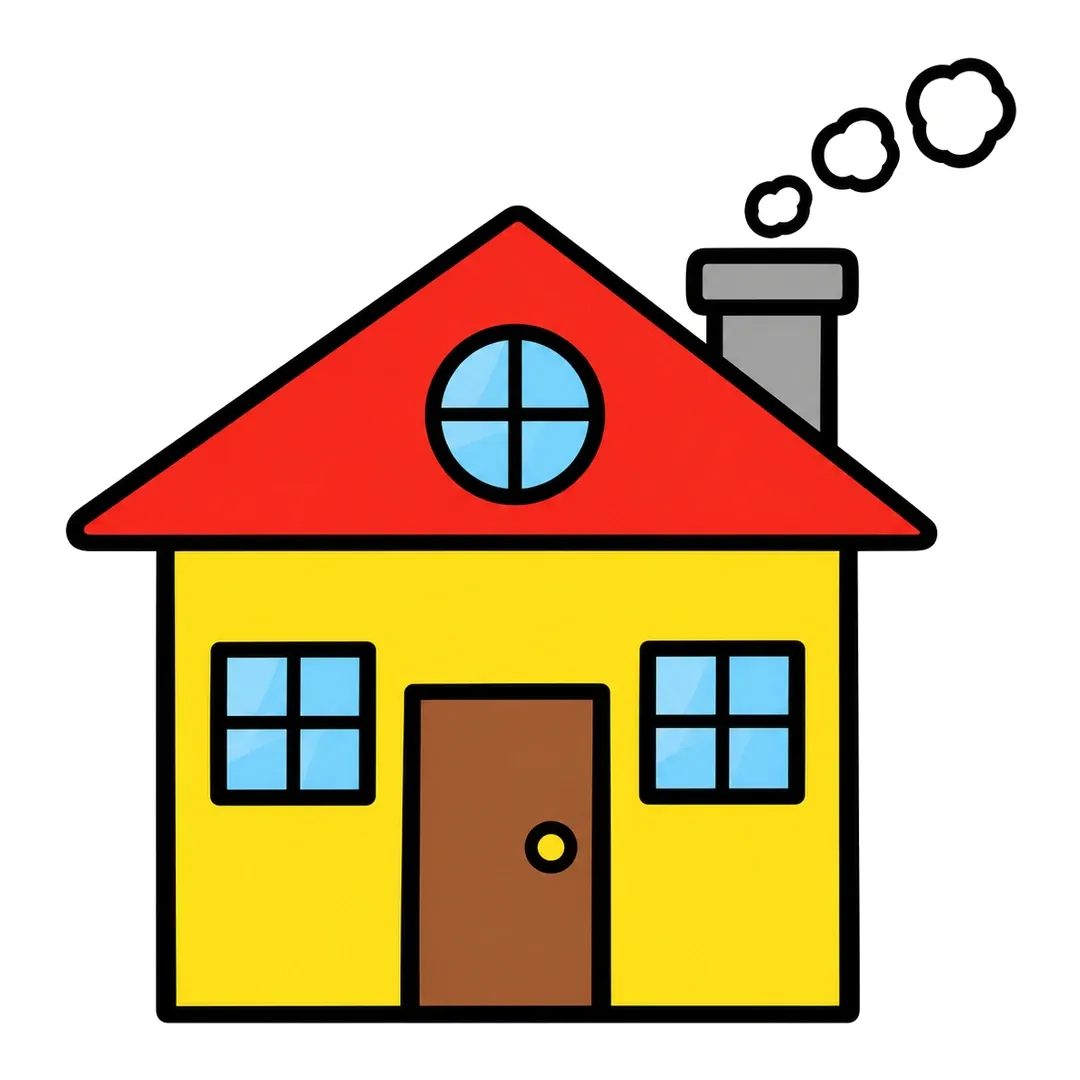
Step 6: Color the walls yellow, the roof red, the door brown, the windows light blue and the chimney gray.
Step 5 adds a chimney with three puffs of smoke and a round roof window. Step 6 is color. Ask your child to name each shape before drawing it. The how to draw a fish tutorial does the same with one wide oval for the body. More shape practice is in basic shapes drawing for kids.
How Should a Child Hold a Pencil to Draw?
A child holds a pencil for drawing between the thumb and the first two fingers, a tripod grasp, with the fingers about 1 inch (2.5 cm) from the tip. University Hospitals Dorset (UHD) NHS and NHS Borders describe it forming in stages, from a fist at about 1 year to a moving-finger tripod at 6 to 7.
The typical order:
- Fist grip at about 1 to 1½ years: the pencil sits inside a closed hand (UHD NHS).
- All-finger grip at about 2 to 3 years: every finger holds the pencil shaft (UHD NHS).
- Fingers and thumb by about 3 to 4: the AAP describes the thumb on one side and the fingers on the other at age 3. The CDC 4-year checklist lists holding a crayon between fingers and thumb, not a fist.
- Static tripod next: the child moves the wrist or arm to make lines (Bedfordshire and Luton NHS).
- Dynamic tripod at about 6 to 7: the fingers move the pencil (NHS Borders).
This guide gives no diagnosis. Talk to your child’s doctor if you have concerns about hand skills.
What a Comfortable Grip Looks Like
A comfortable grip rests the pencil between the thumb pad and first finger, on top of the middle finger, according to Lurie Children’s Hospital of Chicago. NHS Borders defines a tripod grasp as the thumb, index finger and middle finger working together.
Pencil size helps small hands. UHD NHS says large, chubby pencils are easier to grasp before slimmer ones. Lurie notes that short pencils and short crayons leave less to hold, so children grasp them more appropriately. Once one hand is clearly dominant, UHD NHS suggests drawing with that hand and steadying the paper with the other.
Why Should Kids Sketch Lightly Before Darkening Lines?
Kids sketch lightly first because light lines are easy to erase and change, and darker lines can come later once the shapes are right. The NGA explains that light and heavy pressure build up tone and texture. That makes pressure control a drawing skill of its own, tied to value, the light-to-dark element.
Some children press too hard. Occupational therapists at the Royal Children’s Hospital (RCH) in Melbourne describe children who hold the pencil very tightly and press heavily on the page.
From Light Lines to Dark Lines
A drawing moves from light to dark in 5 steps: a light shape sketch, a check, darker outlines, details, then color. This order is our suggestion, built from the light-first habit and the NGA pressure technique:
- Sketch the big shapes with soft, light pencil lines.
- Check the sizes and positions, and erase what looks off.
- Darken the lines you keep, with more pressure or a black marker.
- Add small details such as eyes, windows or scales.
- Color the drawing, pressing lightly first and harder for deeper color.
Pressure Games
Pressure games give a child instant feedback on how hard the pencil is pressing. The RCH pressure sheet is written mostly about handwriting, but 3 of its ideas work on a drawing page too. A soft mouse pad or dishcloth under the paper lets a hard-pressed tip poke through. A mechanical pencil lead snaps under too much force.
The third RCH idea doubles as a value lesson: color one picture in light gray, medium gray and dark gray. Line 3 boxes up in a row and fill them in the same order, and your child has made a first value scale. Shading comes next in how to shade a drawing, and loose practice sketches in sketching for kids.
Which Pencil Should a Beginner Use for Drawing?
A beginner can start with an ordinary HB or B pencil and an eraser. STAEDTLER describes HB as a medium-soft lead for writing and B as a soft, high-graphite lead for drawing, sketching and shading. Faber-Castell says a school pencil has grade B. A US No. 2 pencil has medium softness (Britannica).
Pencil “lead” contains no lead, Britannica explains. Its core blends graphite with clay. Joe Schwarcz of McGill University’s Office for Science and Society adds that more graphite makes a softer, darker point. Britannica’s pencil entry, updated in November 2026, credits Nicolas-Jacques Conté’s graphite-and-clay rods as the basis of today’s pencils.
The letters on a pencil follow a simple code. This table uses STAEDTLER’s definitions:
| Grade | Meaning | Mark | Good for |
|---|---|---|---|
| H | Hard | Lighter | Technical drawing and maps |
| HB | Hard black | Medium | Writing; first sketch lines (our suggestion) |
| B | Black | Soft, dark | Drawing, sketching, shading |
| 2B to 4B | Softer as the number rises | Darker | Dark shading (our suggestion for older kids) |
STAEDTLER makes wood-cased pencils in 20 grades, from 9H to 9B. Faber-Castell notes that hardness grades were never standardized internationally, so one brand’s HB can differ from another’s. When you buy pencils and crayons for a child in grade 6 or below, check the label for the Art and Creative Materials Institute (ACMI) AP seal. Our drawing supplies guide explains how to read that label.
What Are the Basic Drawing Techniques for Kids?
The basic drawing techniques are scribbling, gesture drawing, light and heavy pressure, contour, hatching and crosshatching. The NGA shows these 6 in its “Explore the Basics of Drawing” explainer. The NGA wrote the unit for grades 6 to 12, so younger children try a simple version of each:
- Scribble quickly to find the overall shape of an object, keeping the pencil on the paper (NGA).
- Sketch a pet or a toy as a gesture drawing, loose and quick, then add details on top.
- Press lightly in one spot and heavily in another to see tone change.
- Outline an object as a contour drawing, broken down into simple lines and forms.
- Hatch short or long parallel lines to make a form look shaded.
- Crosshatch a second set of parallel lines across the first to add tone and texture.
The NGA adds that combining these techniques creates different levels of shading, texture and effects in one drawing. A cat drawing, for example, can use contour for the outline and hatching for stripes.
How Can a Beginner Practice Drawing Basics?
A beginner practices drawing basics with short sessions that each focus on one skill, such as lines, shapes, grip, pressure or one technique. We found no study that sets a number of minutes or sessions for children. The 6-session plan below is our suggestion, built from the skill order in this guide. Our page on drawing benefits for children asks whether daily drawing helps.
| Session | Skill | What your child draws |
|---|---|---|
| 1 | Lines | Rows of straight, wavy, zigzag and spiral lines |
| 2 | Shapes | Circles, squares and triangles, then a house from 2 shapes |
| 3 | Grip and pressure | A light, medium and dark gray strip |
| 4 | Light sketch | One step-by-step tutorial, sketched lightly, then inked |
| 5 | Techniques | Hatching and crosshatching on 2 squares |
| 6 | Looking | A real object on the table, such as a cup or an apple |
Repeat the plan with new subjects from things to draw for kids or simple drawing ideas. Draw alongside your child. Bedfordshire and Luton Children’s Health (NHS) calls drawing together “interactive drawing” and describes it as a great joint activity.
For more exercises, see drawing exercises for kids and observational drawing for kids. Adults who want lesson plans and teaching tips can use how to teach kids to draw.
Where Can Kids Get a Free Drawing Basics PDF?
Kids can get a free drawing basics PDF from the free 44-page book “20 Easy Drawings for Kids” and the free step sheet PDF on each tutorial. Both arrive by email. A printed sheet shows one drawing’s numbered steps, so a beginner practices lines, shapes and light sketching away from a screen.
Get the free drawing book, request a free step sheet, or pick any drawing from the how-to-draw tutorials. Each tutorial breaks one subject into 4, 6 or 8 steps, which puts every drawing basic in this guide to work on a real picture.