
Every idea has 3 to 5 mini steps to read aloud. For subjects such as animals and objects, see our things to draw for kids page, or browse all drawing ideas for kids.
What Can Kids Draw When They’re Bored?
Bored kids can draw quick warm-ups, easy doodles, longer projects, silly prompts, car and rainy-day ideas, and group games. This page sorts 21 drawing ideas into those 6 groups, mostly by the time they take: 2, 5 or 15 minutes. Pick the group that fits the time you have, from a short wait to a long rainy afternoon.
| Group | Time | Good for | Ideas on this page |
|---|---|---|---|
| Warm-ups | 2 minutes | Waiting rooms, the minute before dinner | 1 to 4 |
| Easy doodles | 5 minutes | Quiet time, after school | 5 to 8 |
| Projects | 15 minutes | Rainy afternoons, older kids | 9 to 13 |
| Silly prompts | 5 to 10 minutes | Kids who say “I don’t know what to draw” | 14, 15 and 8 prompts |
| Car and rainy day | 5 to 15 minutes | Road trips, indoor days | 16 to 18 |
| Games | 10 minutes | Siblings, friends, a class | 19 to 21 |
The time groups are our own guide, not a rule. The CDC’s milestones for 5-year-olds list paying attention for 5 to 10 minutes during activities such as arts and crafts, so start preschoolers with the 2- and 5-minute ideas.
Many of these ideas are doodles, which Merriam-Webster defines as “an aimless or casual scribble, design, or sketch.” Our guide to easy doodle ideas for kids goes further.
What Are Quick Things to Draw in 2 Minutes?
Quick things to draw in 2 minutes are warm-ups that need no planning: faces, one-line pictures, tiny doodles and drawings made with the other hand. Each is done before boredom turns into restlessness. These 4 warm-ups suit kids from about age 3, with an adult’s help.
1. Emotion Face Grid
A circle with two dots and a line is a face every child can make, and changing the mouth changes the feeling.
- Draw 6 circles in two rows of three.
- Give the first circle a happy smile.
- Fill the others with sad, angry, sleepy, surprised and silly faces.
- Ask your child to name each feeling.
2. One-Line Drawing
Your child keeps the pencil on the paper the whole time, so wobbly lines are part of the fun.
- Pick a simple subject, such as a cat, a cup or a hand.
- Start drawing without lifting the pencil.
- Lift it only when the shape is finished.
- Draw the same subject again and compare the two.
3. Tiny Doodle Page

Small pictures are fast to draw, and a full page feels like a big finish.
- Choose one theme, such as space, food or the ocean.
- Draw one fingernail-sized picture in a corner.
- Add more tiny pictures next to it, such as stars, a moon and a rocket.
- Keep going until no white space is left.
4. Other-Hand Drawing
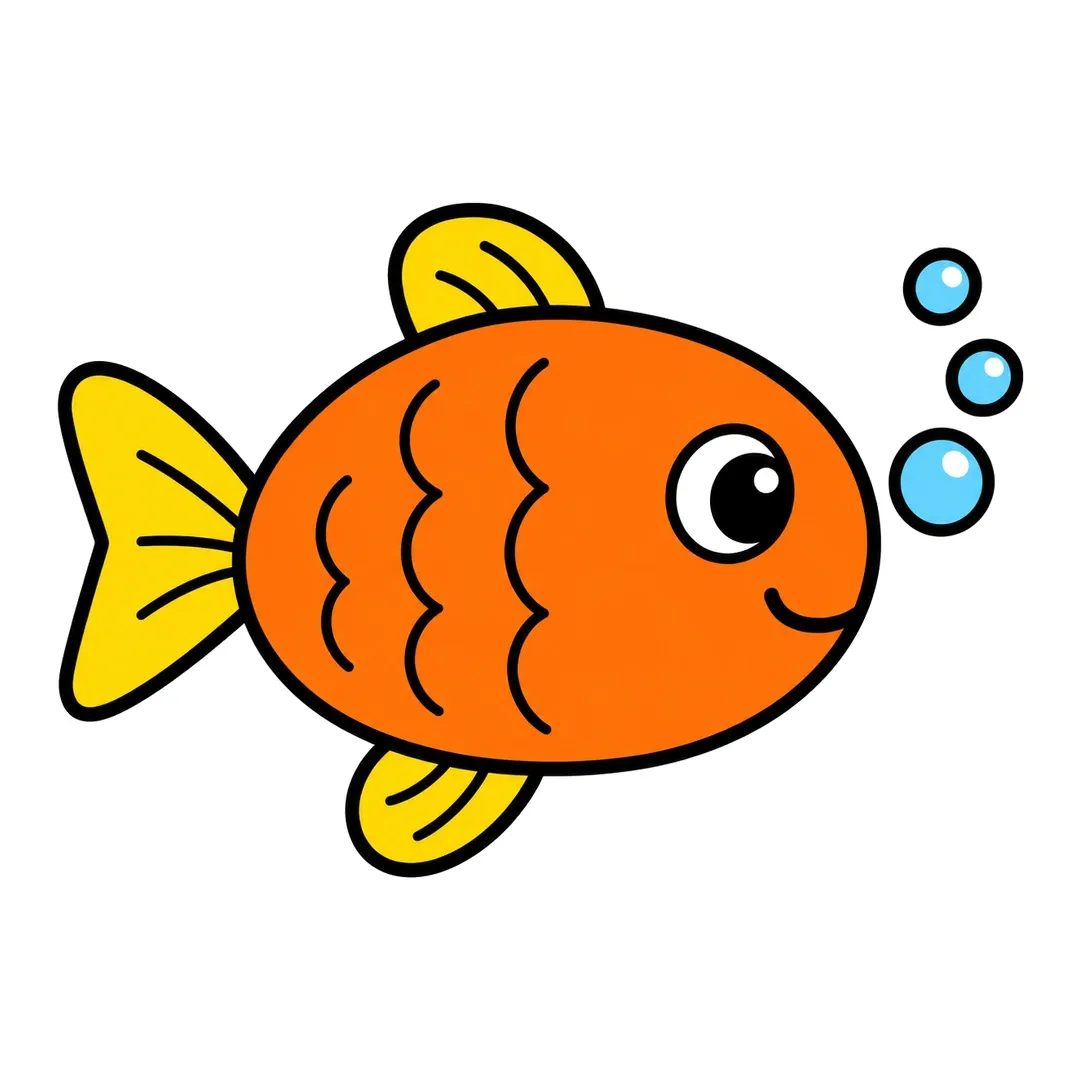
Drawing with the hand your child does not usually use makes every picture look funny, so nobody expects it to be neat.
- Pick something easy, like a house, a sun or a fish.
- Draw it with the usual hand on one side of the page.
- Draw it again with the other hand on the other side.
- Laugh at the differences together.
What Are Easy Things to Draw When Bored in 5 Minutes?
Easy things to draw when bored in 5 minutes are doodles built from one idea: a name, a pattern, a peeking face or a random blob. Each takes about 5 minutes with a pencil, and crayons are optional. These 4 ideas suit kids from about age 4 or 5, when many children start to write letters.
5. Name Doodle
A name is a subject every child already knows. The CDC lists writing some letters in their name among the things most children do by 5 years.
- Write your child’s name in large, puffy letters, or help them write it.
- Fill each letter with a different pattern, such as dots, stripes or hearts.
- Draw small pictures of things your child likes around the name.
- Color it in, if you have crayons.
6. Pattern Doodle in a Shape
Repeating one simple stroke needs no ideas, and the shape gives the page a clear edge. This is a loose, Zentangle-style version for kids: the Zentangle Method describes a tangle as “a predefined sequence of simple strokes that make up a pattern.”
- Draw a big outline, such as a heart, a fish or a leaf.
- Split the inside into 4 or 5 sections with light, curvy lines.
- Fill each section with one pattern: dots, waves, zigzags, circles or stripes.
- Shade some sections dark with the pencil.
7. Peeking Characters
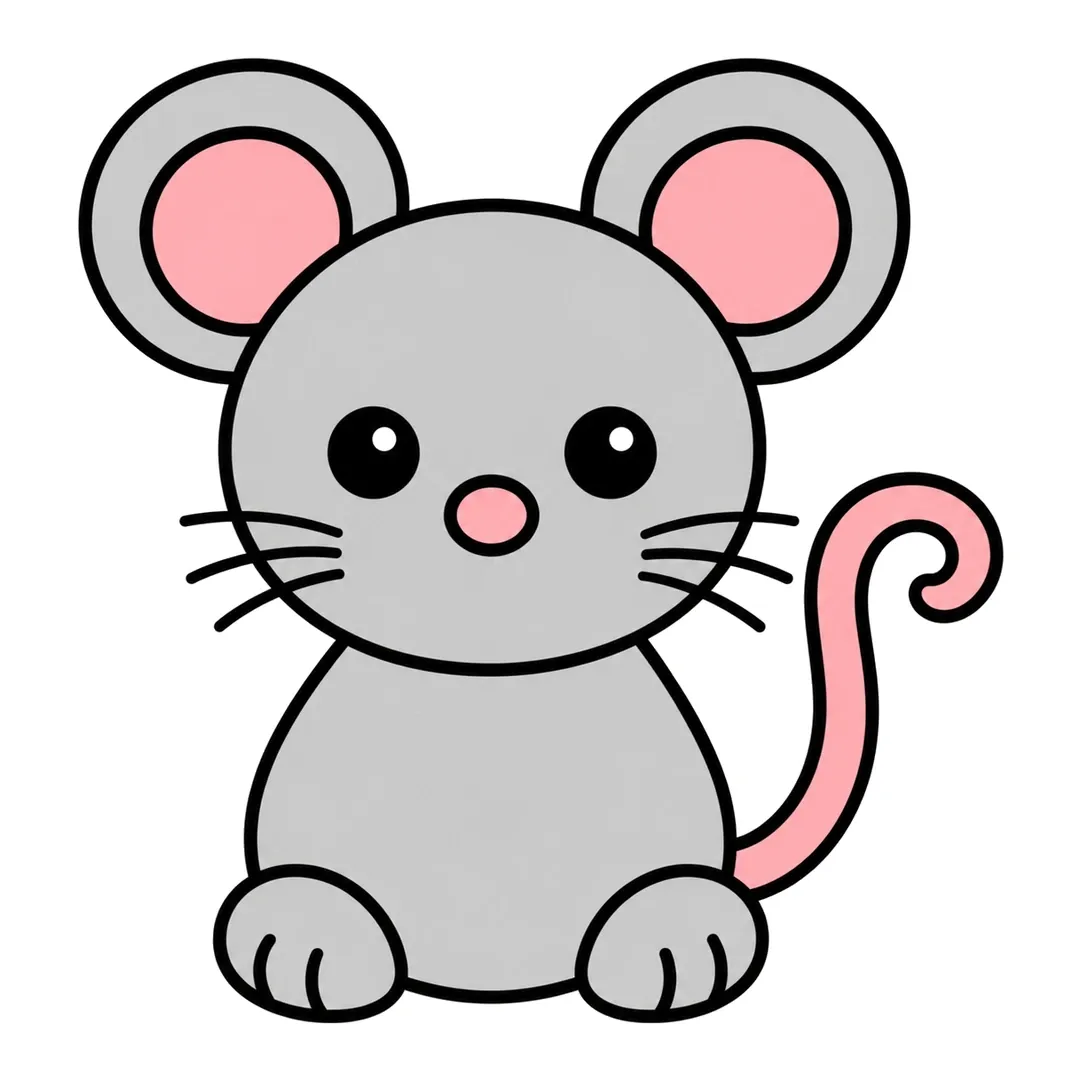
A face peeking out of a hole makes a child wonder who is hiding and why.
- Draw 3 or 4 ovals around the page for holes.
- Color the inside of each hole dark.
- Draw eyes and hands peeking over the edge of each hole.
- Decide who lives in each hole: a mouse, a monster or a worm.
8. Blob Creature
There is no wrong blob, so this idea works well for a child who says “I can’t draw.”
- Ask an adult or sibling to draw a random blob.
- Turn the page until the blob looks like something.
- Add eyes, a mouth, legs and maybe a tail.
- Give the creature a name.
What Can Kids Draw When They Have 15 Minutes?
Kids with 15 minutes can draw bigger projects with several parts: a dream house, a pet superhero, a robot, a comic or one object from three sides. These 5 projects suit kids from about age 6, or younger kids working with an adult. Three of them link to a step-by-step tutorial for the base shape.
9. Dream House Cutaway
A house with the front wall missing lets kids design every room they wish they had.
- Draw a big house, or follow our how to draw a house tutorial.
- Split the inside into 4 rooms with straight lines.
- Fill each room with something fun, such as a slide, a pool or a candy room.
- Draw a person or pet in each room.
-
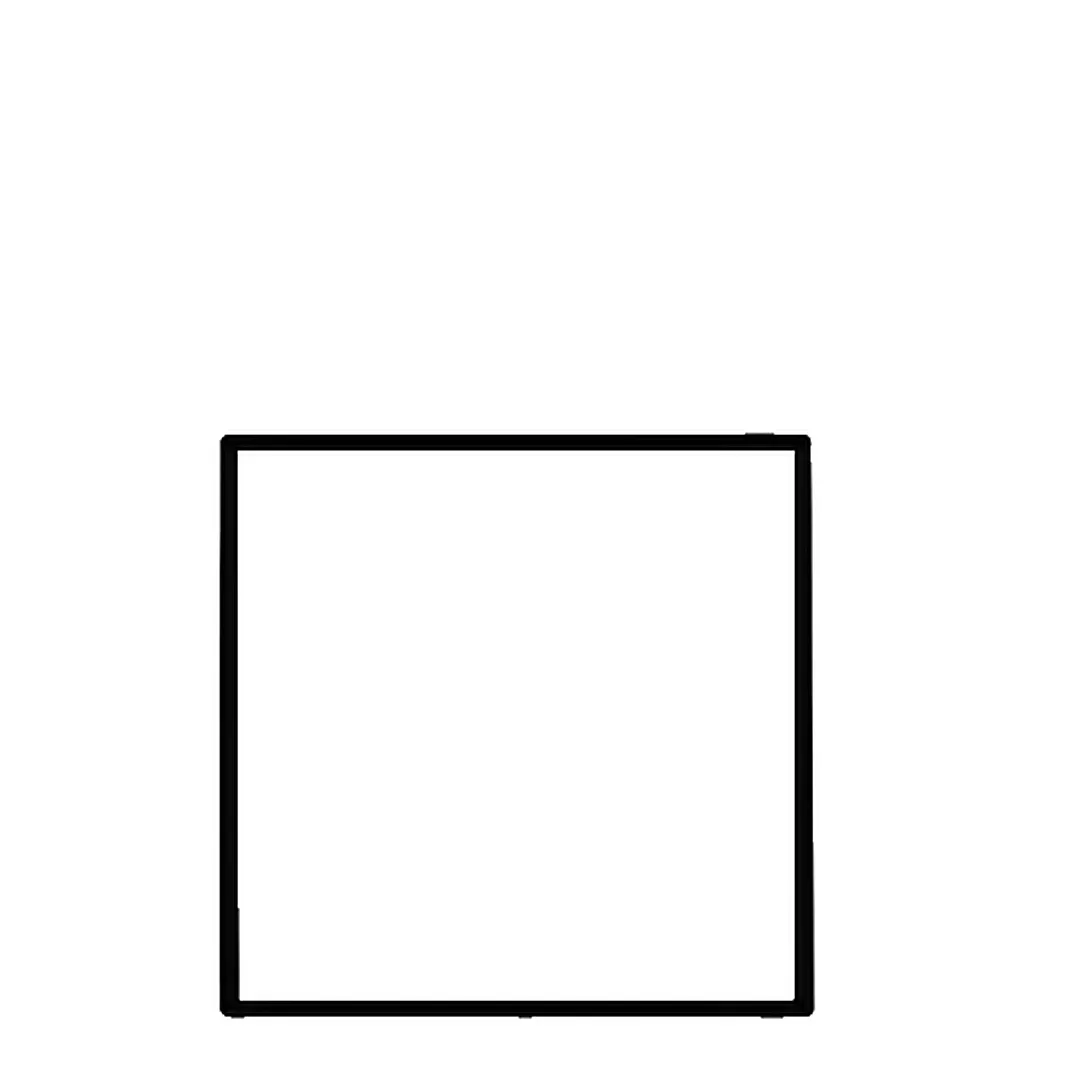
Step 1: Draw a big square for the walls.
-
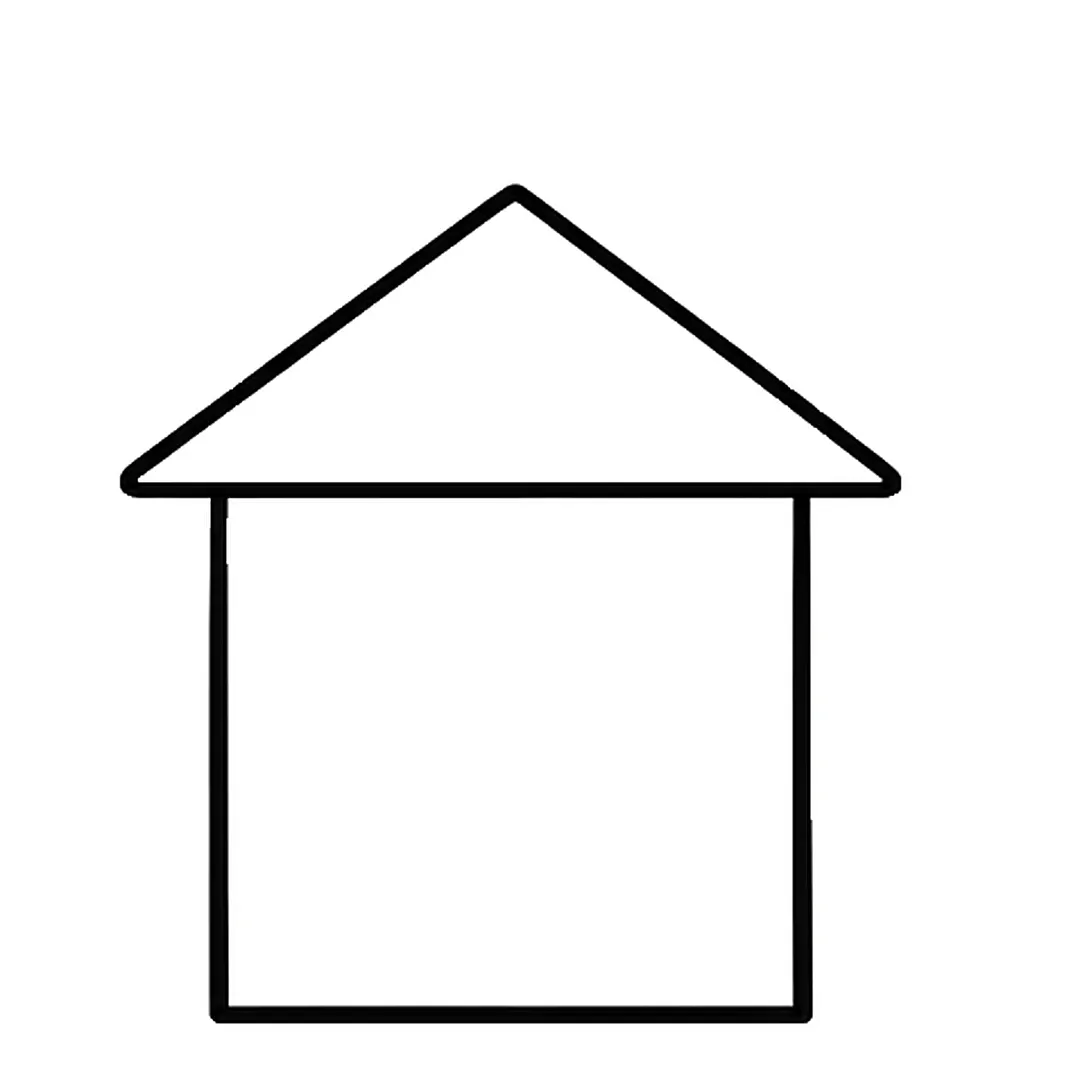
Step 2: Add a triangle roof on top that sticks out a little on both sides.
-
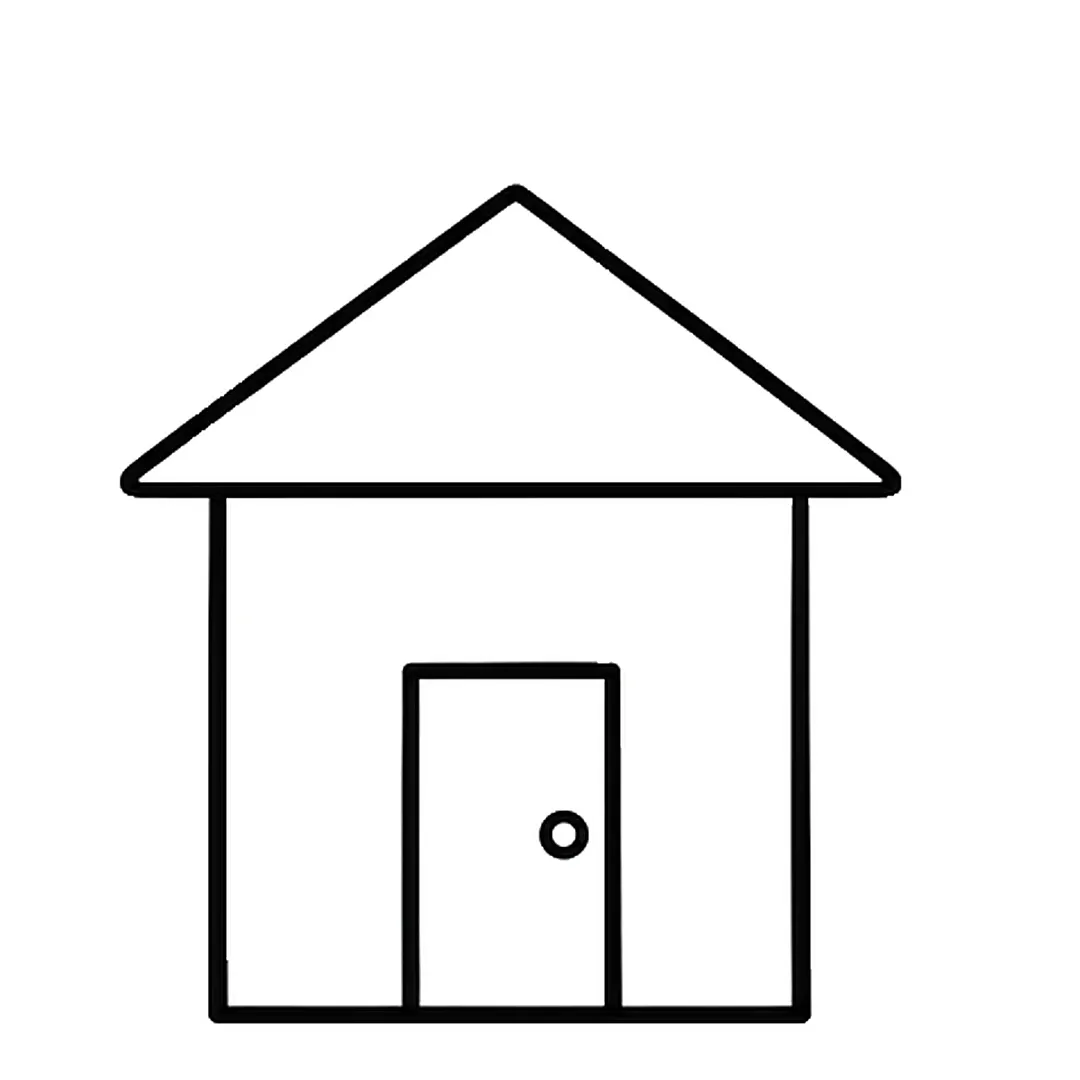
Step 3: Draw a tall door in the bottom middle with a small round knob.
-

Step 4: Add two square windows, one on each side of the door, each with a cross.
-
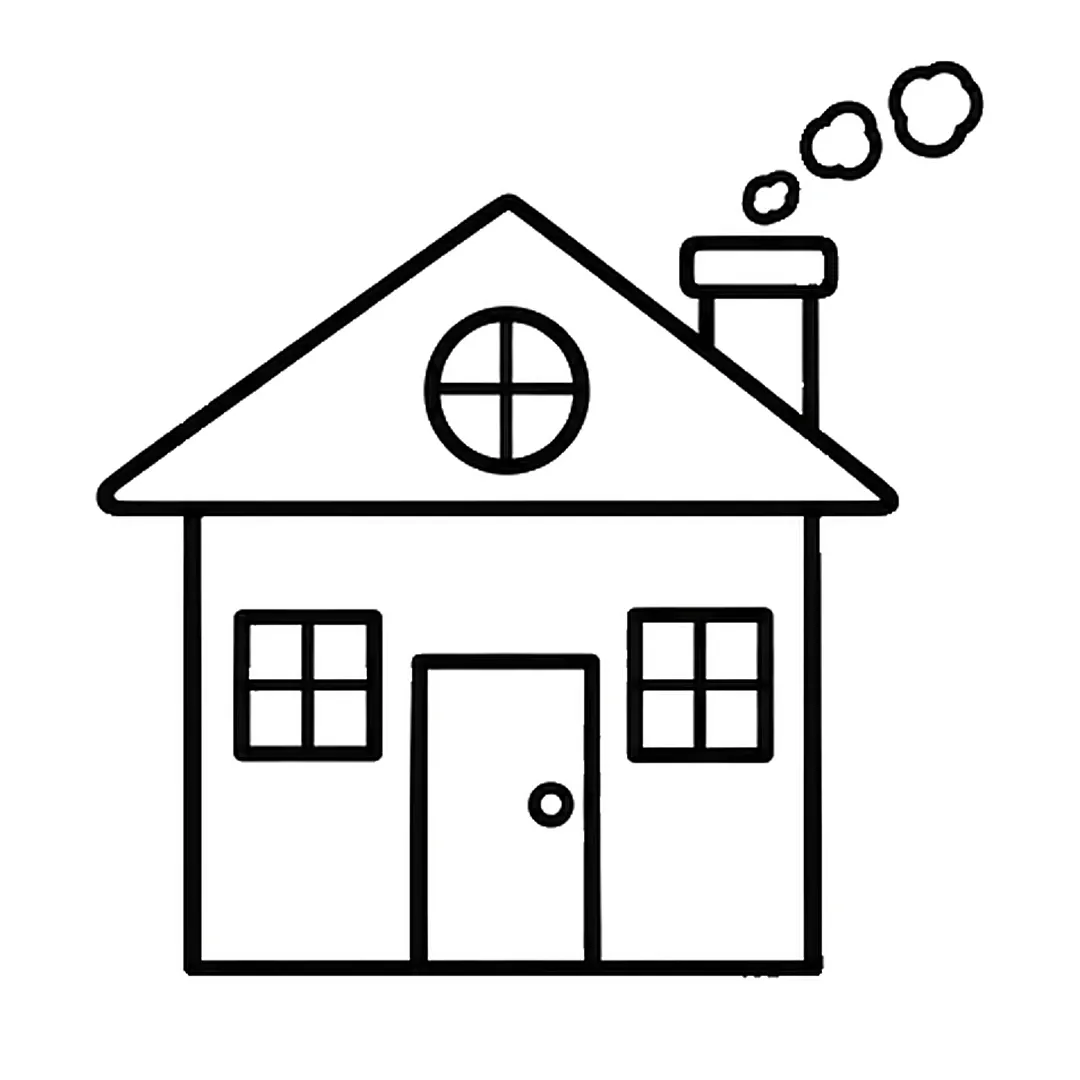
Step 5: Draw a chimney with three puffs of smoke and a round window in the roof.
-

Step 6: Color the walls yellow, the roof red, the door brown, the windows light blue and the chimney gray.
10. Pet Superhero
Turning a pet, real or wished-for, into a hero mixes a familiar animal with a made-up story.
- Draw the pet, or use our how to draw a cat or how to draw a dog tutorial.
- Add a cape flying behind it.
- Draw a mask and a letter on its chest.
- Draw what the pet is saving, such as a lost toy or a stuck balloon.
-

Step 1: Draw a round circle for the head.
-
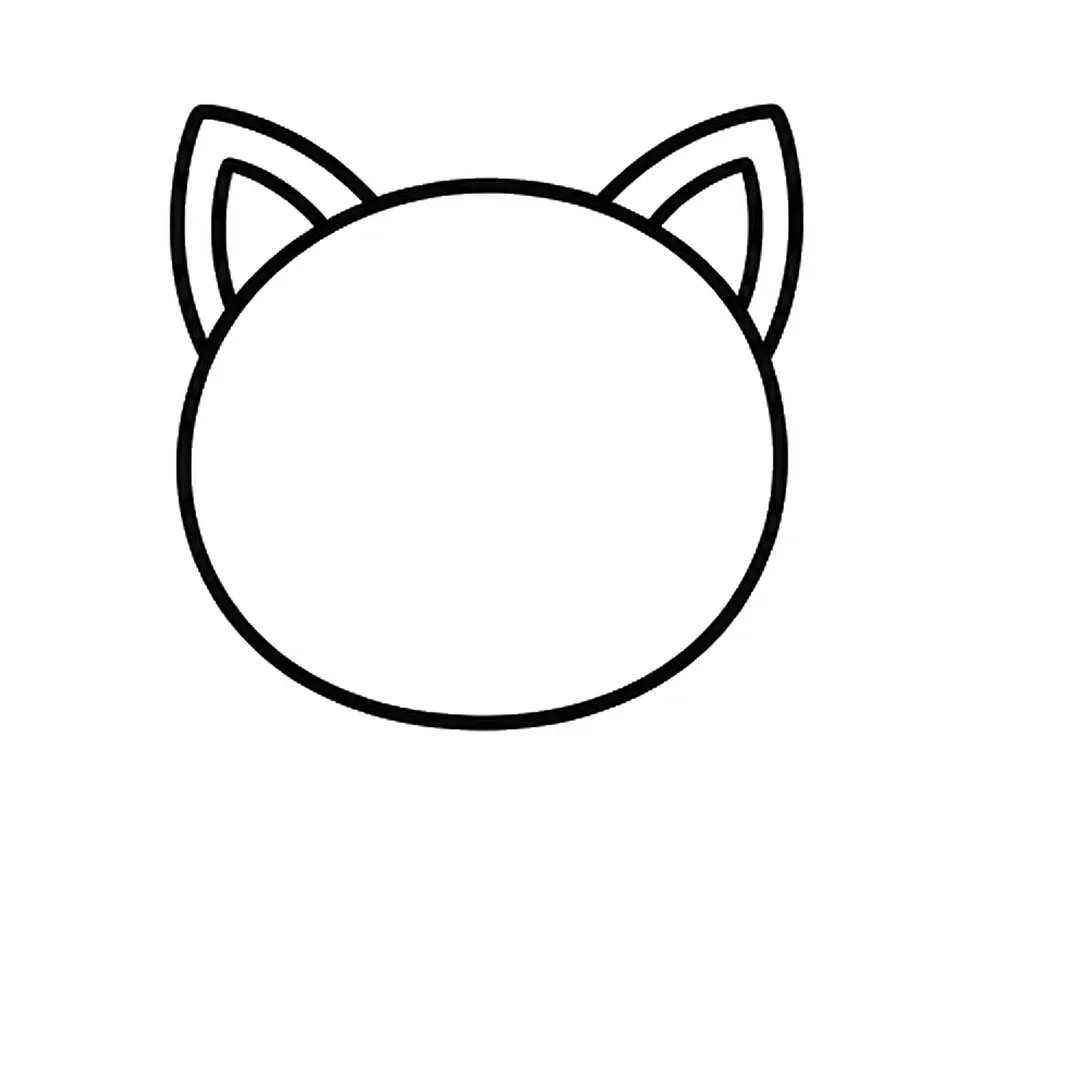
Step 2: Add two pointy triangle ears on top, each with a smaller line inside.
-
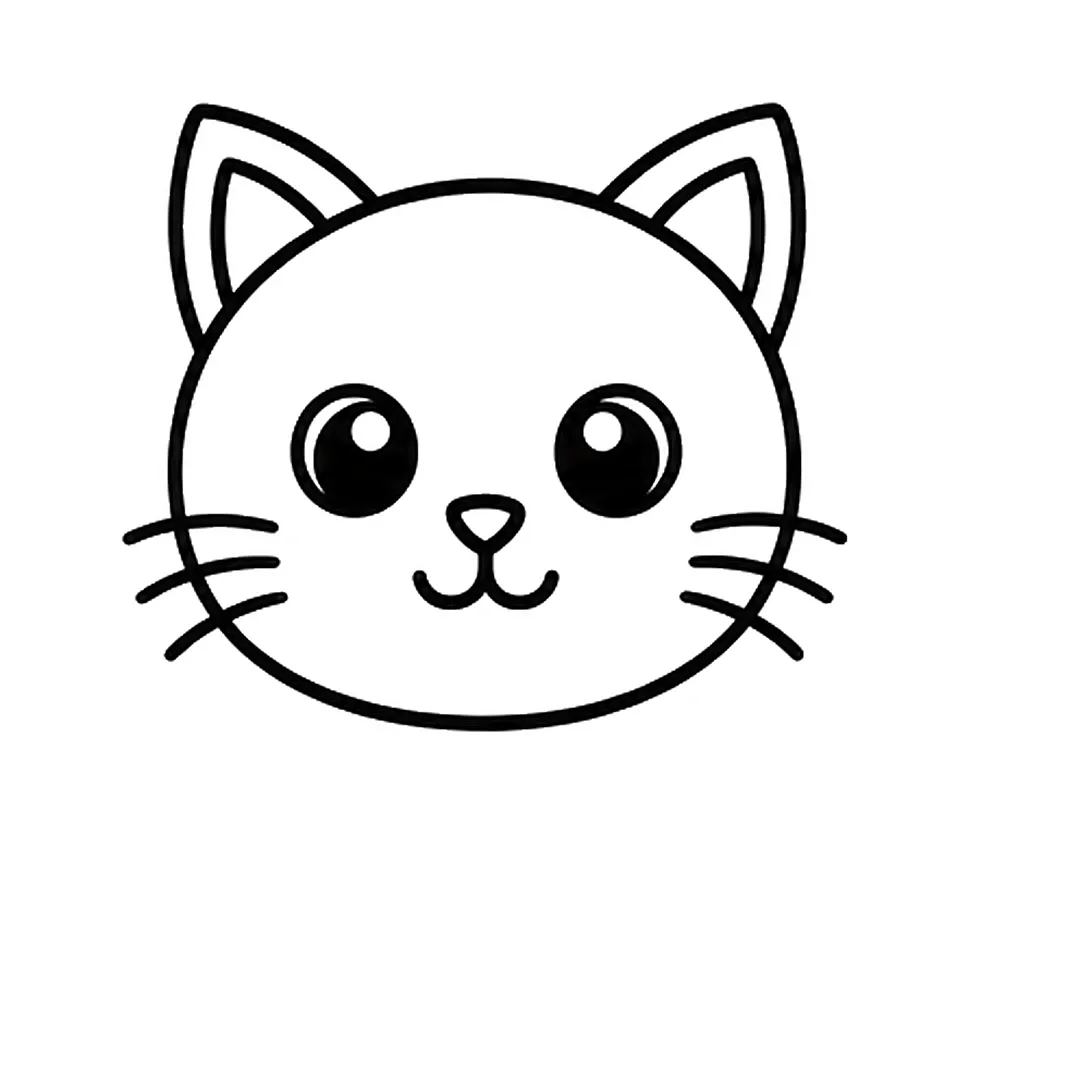
Step 3: Draw two big round eyes, a small triangle nose, a smile and three whiskers on each side.
-
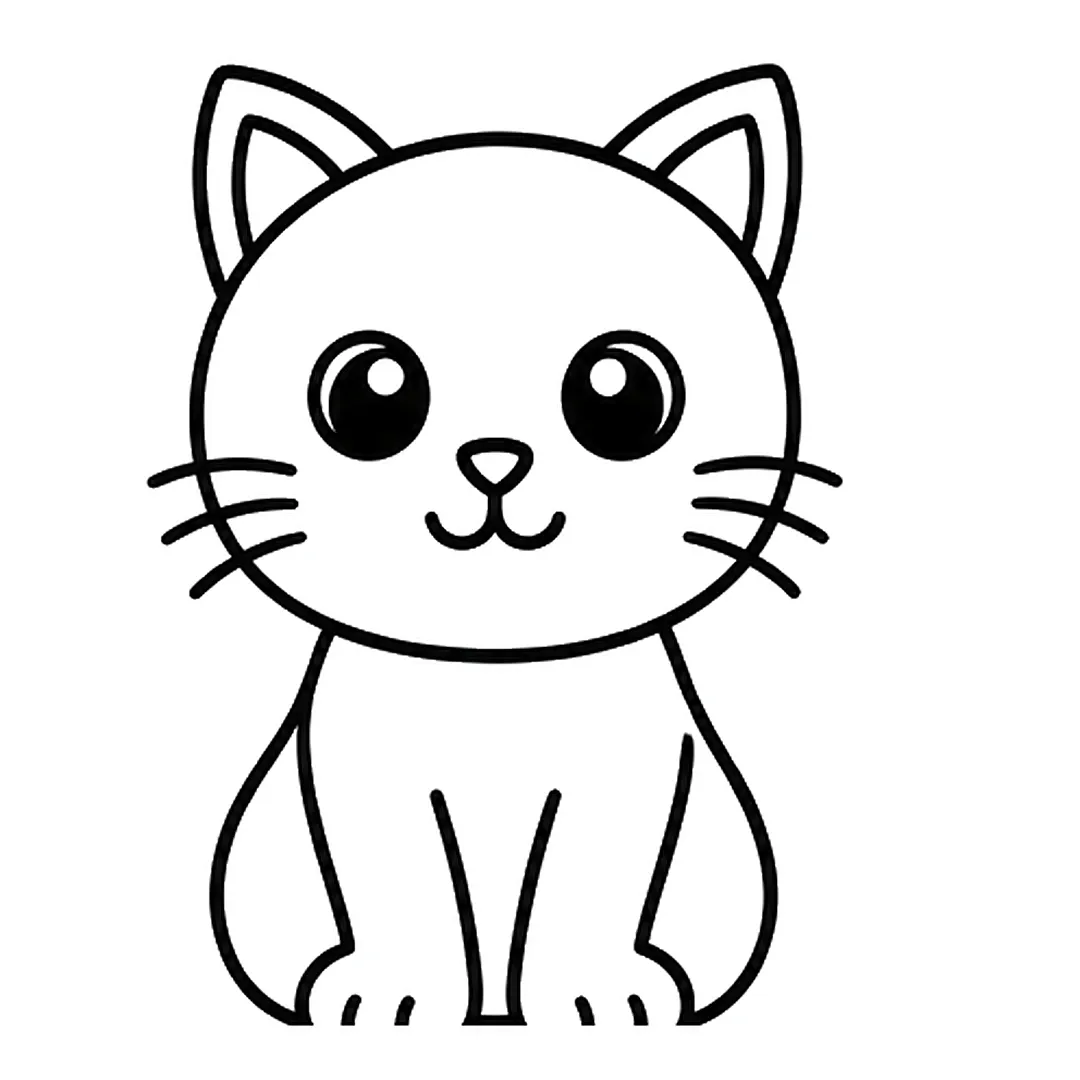
Step 4: Add a rounded sitting body with two front legs and round paws.
-
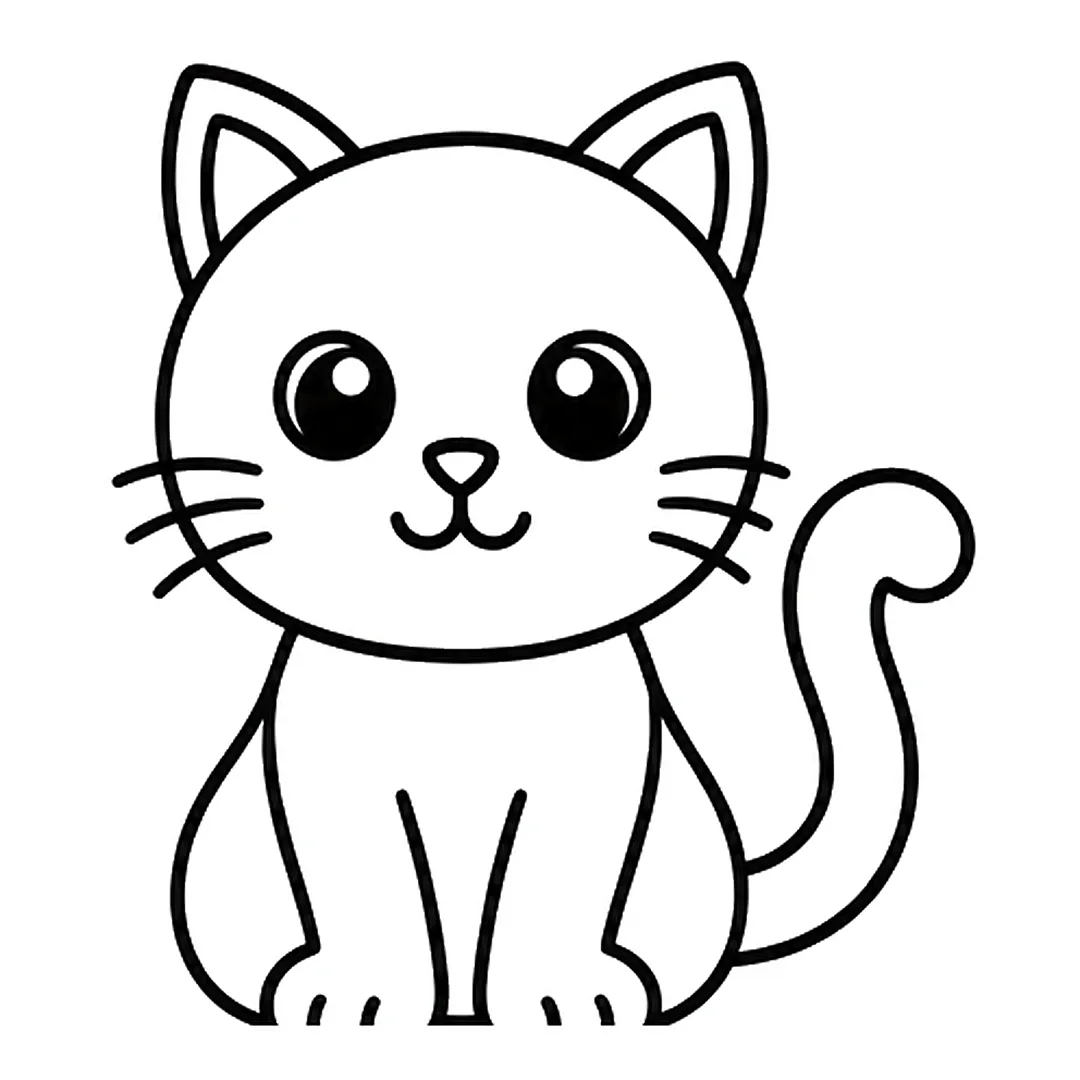
Step 5: Draw a long tail that curves up beside the body and curls at the tip.
-
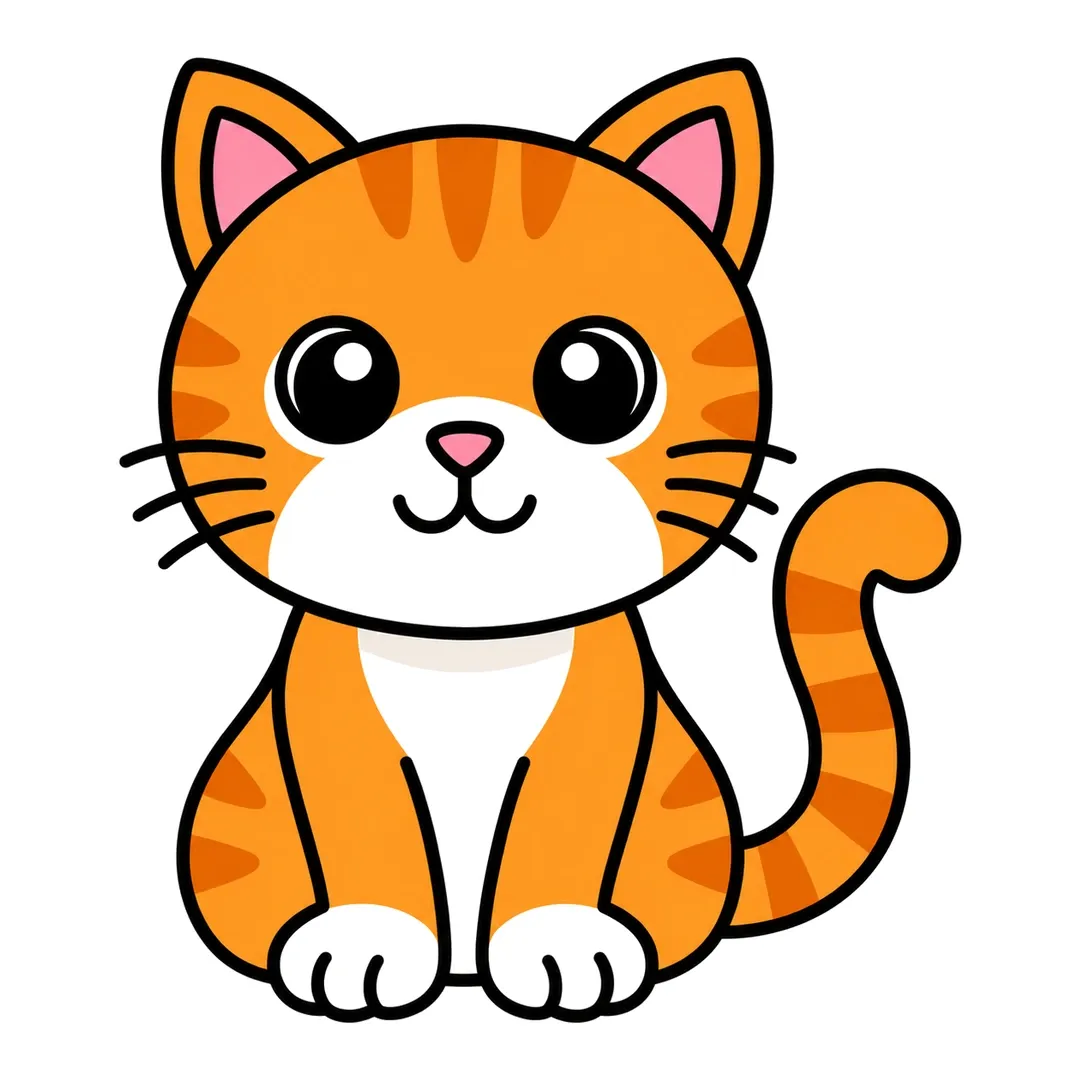
Step 6: Color the cat orange with darker stripes, and leave the muzzle, chest and paws white.
11. Robot Builder
Robots are made of rectangles and circles, so kids can add as many parts as they like.
- Draw the body with our how to draw a robot tutorial, or start with a big square.
- Add arms, legs and an antenna.
- Draw buttons and screens on the chest.
- Give the robot a special tool, such as a spoon arm or a rocket foot.
- Label what each part does.
-

Step 1: Draw a rounded square head with a short antenna and a round ball on top.
-

Step 2: Add two big round eyes with black pupils and a long mouth split into five cells by four lines.
-

Step 3: Draw a short neck and a rounded square body under the head, with a square screen on the chest.
-

Step 4: Add two bendy arms with three segment lines each, curving out from the shoulders to round claws.
-

Step 5: Draw two short legs with one line across each one and wide rounded feet.
-

Step 6: Color it light gray, ball red, eye rings and screen blue, mouth and feet gray, soles dark gray.
12. Four-Panel Comic
A comic turns a few simple drawings into a story with a beginning, middle and end. For a hero, borrow one of our simple cartoon drawings.
- Fold a sheet of paper into 4 boxes, or draw 4 squares.
- Draw a character in the first box.
- Show a problem in the second, such as a lost hat.
- Show the character trying to fix it in the third.
- Draw the happy ending in the last box.
13. One Object, Three Ways
Drawing one everyday thing from three sides asks kids to look closely, which suits kids aged about 8 to 10.
- Put a simple object on the table, such as a mug, a shoe or a toy.
- Draw it from the front.
- Turn it and draw it from the side.
- Draw it from above.
- Compare the three drawings and talk about what changed.
What Are Silly and Random Things to Draw When Bored?
Silly and random things to draw when bored are “what if” prompts that mix things that do not belong together. They work well when a child says there is nothing to draw. The 2 ideas below have steps, and the 8 prompts after them give random starting points for fun, cool drawings.
14. Monster Mash-Up
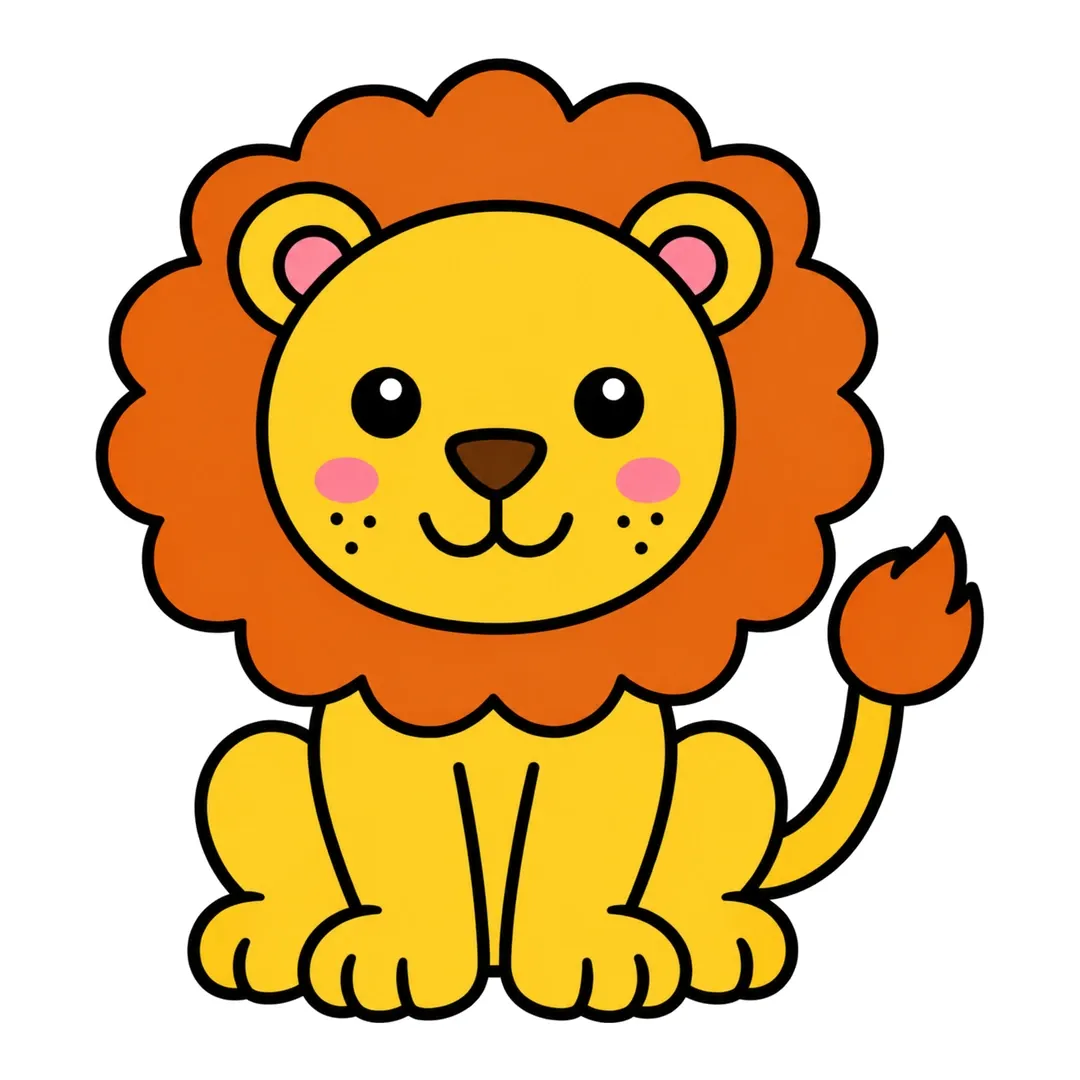
Combining two or three animals into one creature makes something no one has drawn before.
- Choose 2 or 3 animals, such as a lion, a fish and a bird.
- Draw the head of the first animal.
- Give it the body of the second.
- Add the wings, tail or legs of the third.
- Make up a name, such as a “lionfishbird”.
15. Giant Tiny Thing
Changing the size of an object makes an ordinary picture silly at once.
- Pick something tiny, such as a ladybug, a button or a pea.
- Draw it as big as a house in the middle of the page.
- Draw tiny people, cars and trees around it.
- Show what the people are doing, such as climbing it or running away.
Random “What If” Prompts
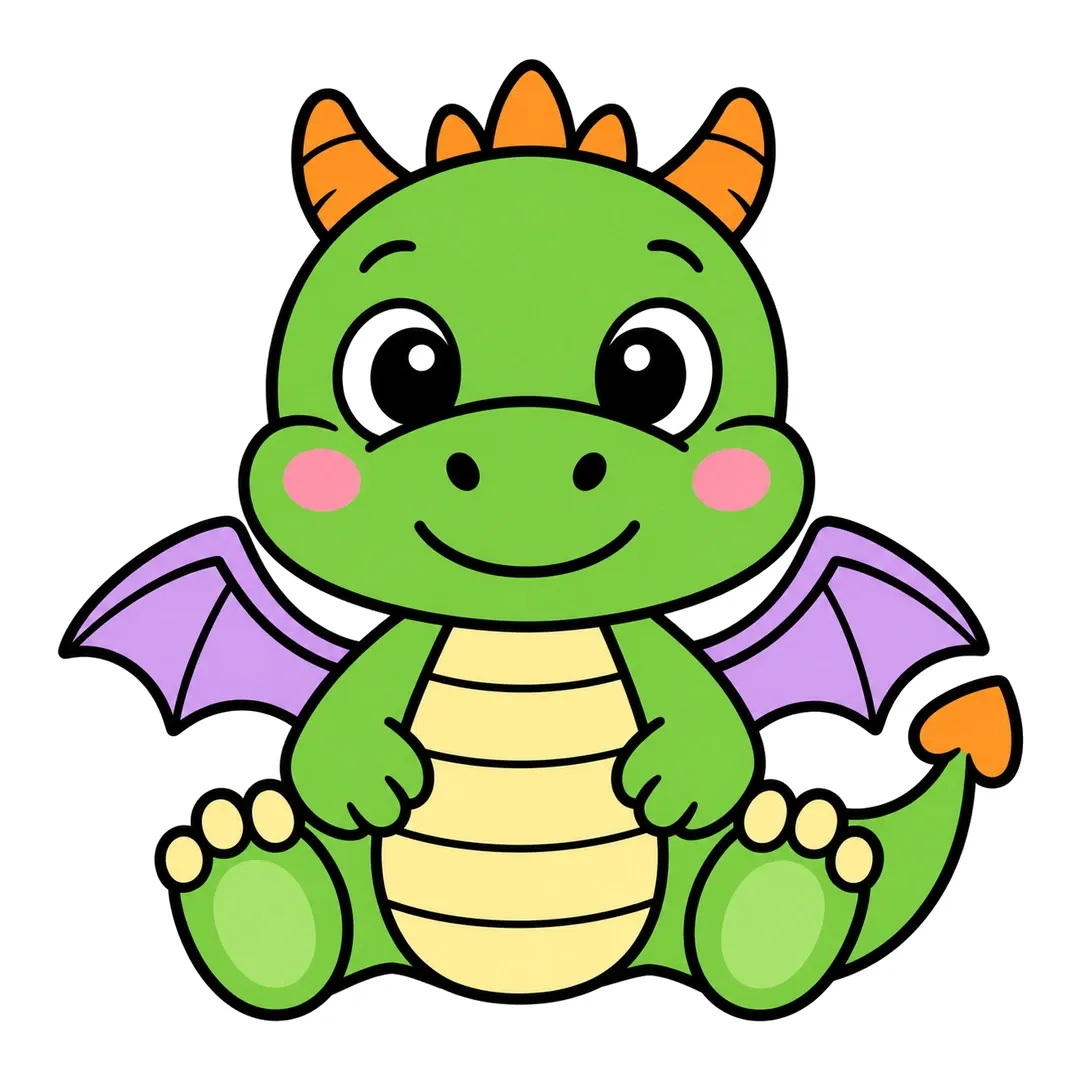
Each of these 8 prompts starts one drawing.
- Draw a dragon who is afraid of the dark. Our how to draw a dragon tutorial helps with the shape.
- Draw a car with legs instead of wheels.
- Draw a cloud that rains something other than water.
- Draw a tree that grows toys.
- Draw your shoe as a boat.
- Draw a castle on the back of a turtle.
- Draw a bird wearing your clothes.
- Draw the inside of a volcano as a house.
What Can Kids Draw in the Car or on a Rainy Day?
In the car or on a rainy day, kids can draw what they see out of the window, a map of the trip, or the weather itself. These 3 ideas need a pencil, paper and a hard surface such as a clipboard or a book. None of them needs a screen.
HealthyChildren.org, run by the American Academy of Pediatrics, agrees. Its screen-free road trip page says: “A little boredom can have its own benefits, helping kids learn to create their own fun without relying on screens.”
16. Window Spotting
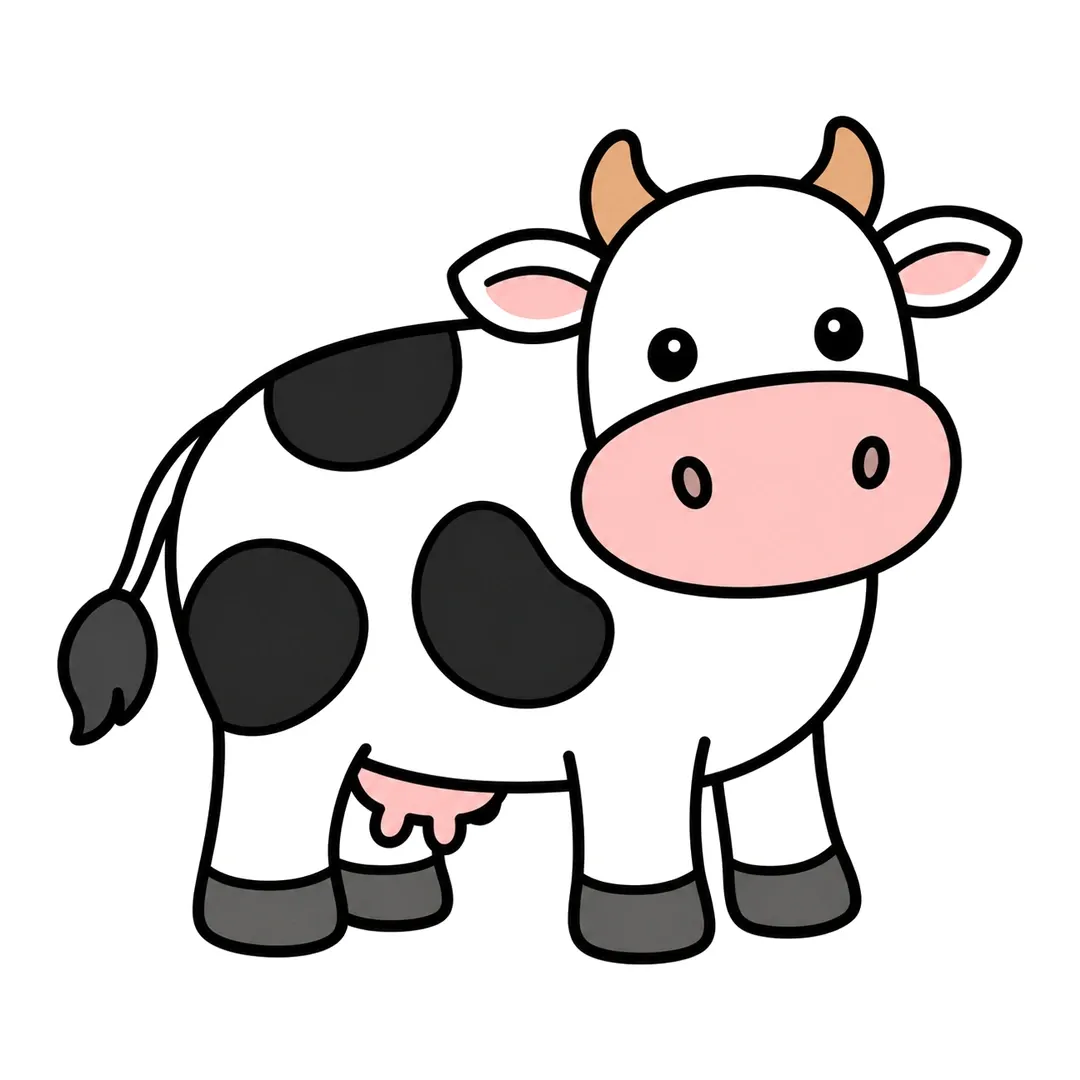
Looking out of the window gives kids a new subject every few seconds.
- Fold a sheet of paper into 6 boxes.
- Each time your child spots something, such as a cow, a truck or a bridge, they draw it in a box.
- Keep going until all 6 boxes are full.
- Start a new sheet for the next part of the trip.
17. Trip Map
A map turns a long drive into a picture story kids can add to the whole way.
- Draw your home in one corner of the page.
- Draw a wiggly road across the page to where you are going.
- Along the road, draw things you pass, such as a gas station, a lake or a farm.
- Draw the place you are going at the end of the road.
18. Weather Window
On a rainy day, the weather outside becomes the subject.
- Draw a big square window with a cross in the middle.
- Draw the weather outside: rain, clouds, puddles or a rainbow.
- Draw what your child would do out there, such as jumping in a puddle.
- Draw a cozy room under the window, with a blanket or a pet.
Supplies for the Car
A pencil is the simplest choice for the car. For crayons and markers, look for the ACMI AP seal: the Art & Creative Materials Institute says to check for it on creative products for kids in sixth grade or younger.
What Drawing Games Can Kids Play When Bored Together?
Kids who are bored together can play drawing games such as exquisite corpse, add-a-line and draw what I say. Each game needs 2 or more players, a pencil each and paper. A round takes about 10 minutes, and the games work for siblings, friends, a family or a class.
19. Exquisite Corpse
Exquisite corpse is a fold-and-pass game, so nobody sees the whole creature until the end. According to Tate, it was invented in 1925 in Paris by the surrealists Yves Tanguy, Jacques Prévert, André Breton and Marcel Duchamp.
- Fold a sheet of paper into 3 equal parts.
- The first player draws a head in the top part, with the neck lines going just past the fold.
- Fold the top back to hide the head, and pass the paper on.
- The next player draws a body, folds it back and passes it on.
- The last player draws legs, then everyone unfolds the paper.
20. Add-a-Line
Each player adds one line, so the picture changes in ways nobody planned.
- The first player draws one line or shape anywhere on the page.
- The next player adds one more line.
- Keep taking turns for 10 rounds each.
- Decide together what the drawing has become, and give it a title.
21. Draw What I Say
One player describes a picture and the others draw it without seeing it, so every drawing comes out different.
- One player looks at a simple picture or object and keeps it hidden.
- The player describes it one step at a time, such as “draw a big circle” and “add two triangle ears on top.”
- The other players draw each step.
- Everyone compares their drawings with the real picture.
In a classroom, the teacher can be the describer, using any tutorial’s “Show steps on the board” mode.
Which Ideas Suit Kids Aged 3 to 10?
The ideas that suit each age follow how children’s drawing typically changes between 3 and 10. Preschoolers do best with circles, faces and short doodles. From about 7, many kids draw houses and people the same way in picture after picture, and from about 9 many want their drawings to look real.
The table pairs typical skills from the CDC’s milestones and Viktor Lowenfeld’s stages of children’s art (Creative and Mental Growth, 1947), as summarized in an Irvine Valley College open textbook, with ideas from this page. The ages are typical ranges, not targets.
| Typical age | What many children do at this age | Ideas that fit |
|---|---|---|
| About 3 | Draw a circle when an adult shows them how (CDC) | Emotion face grid, tiny doodle page, blob creature with an adult |
| About 4 | Draw a person with 3 or more body parts; hold a crayon between fingers and thumb (CDC) | Peeking characters, exquisite corpse with an adult, weather window |
| About 5 | Pay attention for 5 to 10 minutes during arts and crafts; write some letters in their name (CDC) | Name doodle, pattern doodle, add-a-line, window spotting |
| About 4 to 7 | Draw people with large heads and simple limbs (Lowenfeld’s preschematic stage) | Monster mash-up, pet superhero, giant tiny thing |
| About 7 to 9 | Draw houses, trees and people in a similar way across pictures; add a baseline and skyline (Lowenfeld’s schematic stage) | Dream house cutaway, four-panel comic, robot builder, trip map |
| About 9 to 12 | Want more realism; may feel they “can’t draw” and compare their work with others’ (Lowenfeld’s dawning realism stage) | One object three ways, one-line drawing, other-hand drawing, the dragon prompt |
Children grow at their own pace, so mix groups freely. One-line and other-hand drawings are meant to look wobbly, which takes the pressure off older kids who judge their art harshly. For drawing from life, see sketching for kids.
Why Is It OK for Kids to Feel Bored?
Feeling bored is OK for kids because boredom leaves room to invent their own play, including drawing. The American Academy of Pediatrics’ HealthyChildren.org tells parents of 4- to 6-year-olds, “Remember that some boredom allows for creativity.” The same page suggests giving children that age chances to sing, dance and draw.
Two studies are often quoted about boredom and doodling. Both tested adults, not children:
- Boredom and creativity: Sandi Mann and Rebekah Cadman (Creativity Research Journal, 2014) ran two studies of adults, with 80 and then 90 participants. Their results “suggested that boring activities resulted in increased creativity,” and they discuss daydreaming as the link.
- Doodling and memory: Jackie Andrade of the University of Plymouth (Applied Cognitive Psychology, 2010) asked 40 adults aged 18 to 55 to listen to a dull phone message. Half shaded printed shapes while listening, and that group recalled 29% more information on a surprise memory test.
Neither study shows that drawing makes children smarter or more creative.
How Can Parents Turn Boredom Into a Drawing Habit?
Parents can turn boredom into a drawing habit by keeping paper within reach and making the next idea easy to pick. The 4 habits below take a few minutes to set up, work for kids aged 3 to 10, and need no screen or special supplies.
- Keep an activity box. The CDC’s tips for 3-year-olds include an “activity box” with paper, crayons and coloring books, plus coloring and drawing lines and shapes with your child.
- Fill an idea jar. Write the 21 ideas and 8 prompts from this page on slips of paper, and let your child pick one when they are bored.
- Start a boredom sketchbook. One small notebook in the bag or car means paper is always ready.
- Redraw an old picture. Every few months, ask your child to draw an old subject again and put the two drawings side by side.
Where Can Kids Find More Drawings to Try?
Kids can find more things to draw when bored in our step-by-step tutorials, free step sheets and free drawing book. Each tutorial breaks one drawing into 4, 6 or 8 numbered steps, and every tutorial page offers a free step sheet PDF by email. Browse them on the free step sheets page.
For a ready-made stack of ideas, get our free 44-page book, 20 Easy Drawings for Kids, sent by email. Our printable drawing packs add step, tracing, coloring and draw-and-write pages for themes such as pets, dinosaurs and vehicles. For sweet subjects, see our cute things to draw page.